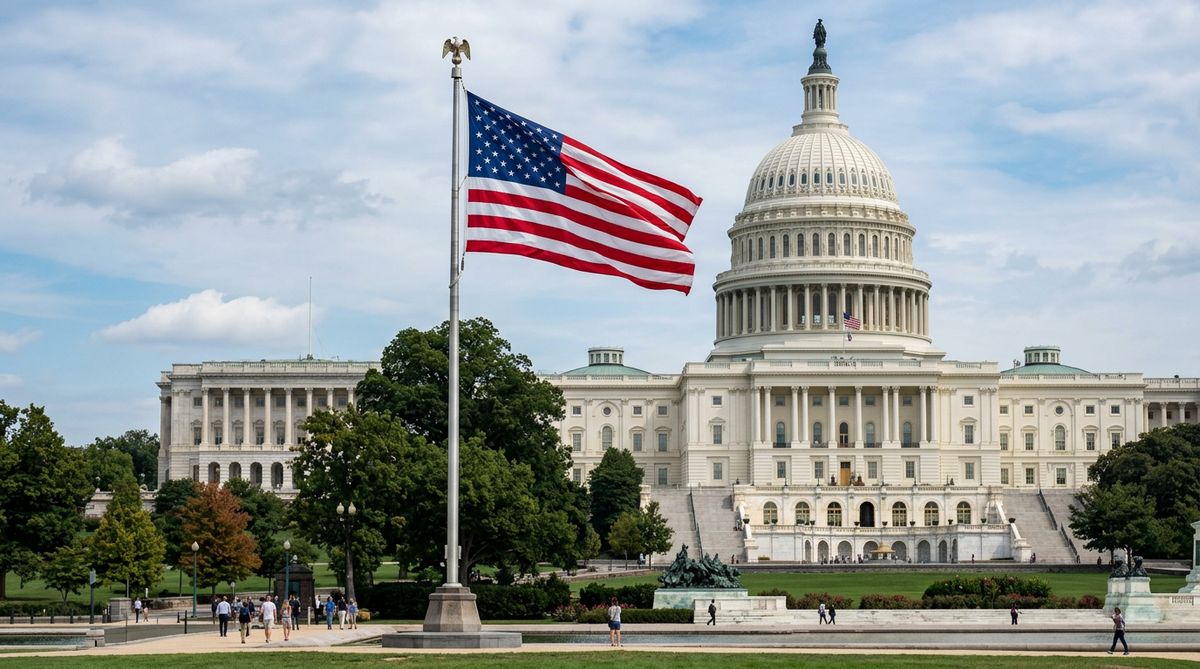
Key Cases: 2025-2026 Term
| Case | Issue | Likely Outcome | Political Impact |
|---|---|---|---|
| Birthright Citizenship Cases | Trump EO challenging 14th Amendment automatic citizenship | Likely struck down (8-1 or 7-2) | SCOTUS rebuke of EO energizes D base; immigration fight continues |
| US v. Skrmetti | Tennessee ban on gender-affirming care for minors | Likely upheld (6-3) | Trans rights mobilizing issue for D base; R consolidation with social conservatives |
| DOGE-related cases | Legality of executive branch restructuring, agency eliminations | Mixed — some upheld, some stayed | Defines limits of second-term executive power; affects DOGE cuts |
| EPA v. Calumet | Scope of EPA authority under Clean Air Act post-Chevron | Narrowed EPA authority (6-3) | Environmental regulations weakened; climate advocates mobilized |
| Medicaid work requirements | If passed in reconciliation, expected legal challenge | Uncertain — may not reach SCOTUS before 2026 | If upheld: confirms R policy. If struck: D win but may delay electoral impact |
| Voting rights cases | Post-Allen v. Milligan Section 2 VRA challenges | VRA enforcement further weakened | Redistricting fights in NC, GA, LA continue; D turnout suppression concern |
The Dobbs Effect Plays Forward
The 2022 Dobbs decision (overturning Roe v. Wade) demonstrated with remarkable clarity how Supreme Court decisions can reshape electoral politics. Exit polls in 2022 showed abortion as a top-three issue for 27% of voters, and among those voters Democrats won 76-22% — an enormous gap. The abortion issue drove Democratic overperformance in virtually every competitive race and was the primary reason Democrats held the Senate in 2022 despite a historically unfavorable environment. The mechanism: a highly emotional SCOTUS decision created urgency and mobilization among Democratic-leaning voters who might otherwise have stayed home in a midterm.
The question for 2026 is whether any SCOTUS decision in the 2025-2026 term replicates that mobilizing effect. Trans rights rulings (Skrmetti) may energize a specific Democratic base segment but lack the universal resonance of abortion rights. Birthright citizenship, if struck down, would generate intense Hispanic community response. Environmental rulings energize climate voters, primarily in already-blue areas. The most directly relevant rulings for swing voters — Medicaid work requirements, DOGE agency restructuring — may not be resolved before November 2026, potentially landing their electoral impact in 2028 instead.
The Vacancy Question
No issue in American politics is more consequential or more speculative than a Supreme Court vacancy. Thomas (77) and Alito (75) are the oldest conservative justices; their retirement during Trump's second term would allow appointment of justices in their 40s, cementing conservative supermajority for 30+ years. Both have shown no indication of retirement plans. Among liberal justices, Sotomayor (71) has long-standing health concerns that created Democratic pressure for her to retire under Biden — she declined, meaning a Trump appointment replacing her is now the most likely next vacancy scenario.
A vacancy announcement before November 2026 would immediately become the central issue of the midterm cycle — eclipsing Medicaid, tariffs, and the generic ballot. The 2020 Amy Coney Barrett nomination showed that Republicans can successfully nominate and confirm a justice with 51 votes in an election year. Democrats would respond with maximally intense mobilization, fundraising, and political pressure. If the SCOTUS issue drove 2022 outcomes at a D+20 advantage among SCOTUS-focused voters, a mid-cycle vacancy in 2026 could amplify that effect dramatically.

