- Dan McKee (D) was defeated in the 2022 Democratic primary — Dan McKee's successor, Matt Brown (or the actual 2022 winner) is the current governor. Rhode Island is Safe Democratic.
- Rhode Island is rated Safe Democratic — the state has voted Democratic in every presidential election since 1984.
- Rhode Island's labor union culture and Catholic working-class heritage creates a Democratic coalition that has resisted national working-class trends toward Republicans.
- Rhode Island's small size (smallest state by land area) means governor races are dominated by Providence metro area political networks and media — a uniquely intimate political environment.
Rhode Island is rated Lean Democratic for the general election. McKee won in 2022 by 14 points after narrowly surviving a Democratic primary. In 2026, Lieutenant Governor Sabina Matos and potentially other Democrats may challenge McKee again. Rhode Island's combination of a heavily Democratic general electorate and an unpredictable primary culture means the real contest will be settled before November. Full governor overview →
2022 Result — McKee vs. Bishop
2022 Rhode Island governor result. McKee defeated Republican Ashley Kalus by 14.5 points in the general election after surviving a competitive Democratic primary in September. Kalus, a businesswoman who ran on crime and economic issues, performed better than most Rhode Island Republicans but could not overcome the structural Democratic advantage in the state.
Key Facts — Rhode Island Governor 2026
Race Analysis
The McKee Vulnerability
Dan McKee never sought the governorship through a conventional path. He became governor in March 2021 when Gina Raimondo — who had won two terms and built a national profile as a centrist Democrat — left to join the Biden cabinet as Secretary of Commerce. McKee, who was serving as lieutenant governor and had been a longtime mayor of Cumberland, was an accidental governor in a state with high expectations from the Raimondo era. He immediately faced the challenge of following a nationally prominent predecessor while navigating a COVID recovery and Rhode Island's perennial structural economic challenges. The no-bid contract controversy early in his tenure set a tone that has dogged his administration, and his approval ratings have remained in territory that invites primary challenges rather than discourages them.
Rhode Island Political Culture: Dysfunction as Feature
Rhode Island's political culture is distinct even within the Northeast. The state's small size — roughly the population of a medium-sized American city, concentrated in the Providence metro — creates an intensely personal, transactional politics where relationships, labor union ties, and Providence City Hall connections matter enormously. The state's long history of corruption extends across both parties, though Democrats have dominated state politics for decades. The Democratic primary electorate is heavily influenced by public sector unions, the Service Employees International Union, the AFL-CIO, and building trades, whose endorsements can be decisive in low-turnout primaries. Any challenger to McKee must navigate this same coalition; Sabina Matos's background in Providence city council politics means she is deeply embedded in this network.
The Republican Path and Structural Limits
Rhode Island Republicans can occasionally be competitive when Democrats are fractured or when a strong candidate can consolidate disaffected moderates. Ashley Kalus's 2022 campaign showed some potential, finishing at 42 percent, but the state's structural Democratic lean — reinforced by a large public sector workforce, strong union density, and a Providence metro culture that is deeply embedded in Democratic politics — creates a ceiling for Republican candidates in non-wave years. A deeply divided Democratic primary that produces a weakened nominee could give Republicans an opening, but they would also need a favorable national environment. The last Republican governor, Don Carcieri, won in 2002 during a Democratic wave year nationally — a reminder that Rhode Island is not entirely immune to unexpected outcomes.
Key Issues
Rhode Island's political corruption history and the no-bid contract controversy in McKee's early term have kept government integrity on the agenda. Voters and media keep a close watch on procurement and insider dealing.
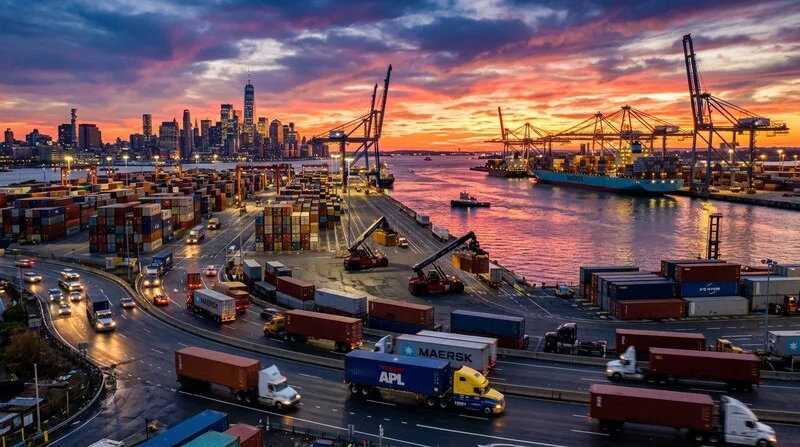
Rhode Island's economy has lagged behind Massachusetts and Connecticut for decades. Attracting employers, supporting the Port of Providence, and leveraging offshore wind development are central economic priorities.
Providence and the surrounding towns face severe housing affordability challenges driven by spillover demand from the Boston and New York metros and an aging rental housing stock in older urban neighborhoods.
Providence Public Schools were placed under state receivership in 2019 following a scathing RIDE report. The path to returning local control and improving outcomes remains a major governance challenge for the next governor.
Rhode Island was the first U.S. state to have an operating offshore wind farm (Block Island Wind Farm, 2016). The sector's expansion offers economic development opportunities but faces cost and supply chain challenges.
Rhode Island has a unique healthcare ecosystem anchored by Brown University's Alpert Medical School and Lifespan health system. Healthcare quality and access in the state's many low-income neighborhoods remain priorities.
Historical Governor Results — Rhode Island
Frequently Asked Questions
Is Dan McKee running for re-election in 2026?
McKee is seeking a second full term. He became governor in 2021 when Gina Raimondo left to join the Biden cabinet and won a full term in 2022 after surviving a Democratic primary. In 2026, he faces another primary challenge from Lieutenant Governor Sabina Matos and potentially other Democrats. The general election is rated Lean Democratic, but the primary in September 2026 is the pivotal contest.
What is Rhode Island's history of political corruption?
Rhode Island has one of the most prominent corruption histories in the country, including Speaker Gordon Fox's 2015 bribery conviction, former Providence Mayor Buddy Cianci's two corruption convictions, and former Governor DiPrete's bribery conviction in 1998. The McKee administration itself faced scrutiny over a no-bid COVID contact tracing contract awarded to a politically connected company. This culture of insider politics shapes voter expectations and media scrutiny around every administration.
Who are the key candidates in the 2026 Rhode Island Democratic primary?
Lieutenant Governor Sabina Matos, the first Latina elected to statewide office in Rhode Island, is the leading challenger to McKee. Matos ran for the U.S. House in 2022 and has maintained an independent political profile. McKee enters as the incumbent but without dominant approval ratings. The primary electorate is heavily influenced by organized labor, public sector unions, and Providence-area Democratic machine politics.