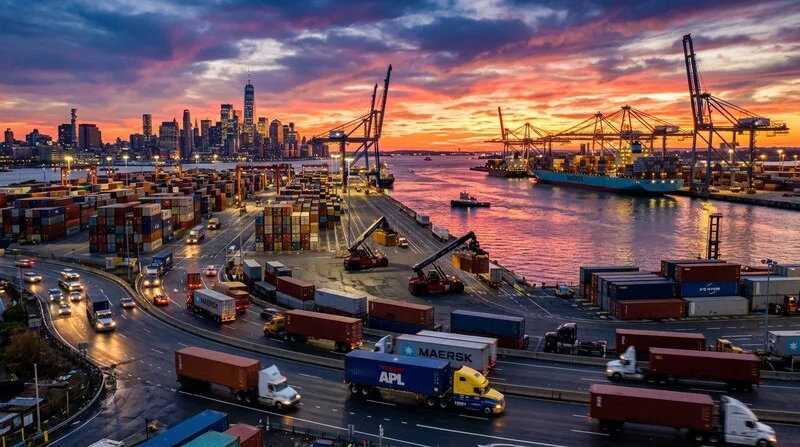
- The IRA has created or supported 800K+ clean energy jobs and triggered $380B in private investment since 2022 — with Republican rollback proposals making this a live economic issue in manufacturing battlegrounds.
- Climate ranks #2 for under-35 voters (after economy) — framing it as a jobs issue, not just an environmental one, significantly expands its appeal beyond core green voters.
- 67% of Americans support keeping IRA clean energy tax credits, including 48% of Republicans — making a full IRA rollback harder to defend in competitive districts that have received IRA-funded facilities.
- Michigan leads swing states with ~180K clean energy and EV jobs tied to IRA incentives; Pennsylvania, Nevada, Arizona, and Wisconsin follow — these are the exact states that determine Senate and House majorities in 2026.
Clean Energy Jobs by Battleground State
| State | Clean Energy Jobs | IRA Investment | Key Projects | 2026 Stakes |
|---|---|---|---|---|
| Michigan | ~180K | $18B+ | EV battery plants (Ford, GM), solar | Senate (Slotkin) |
| Pennsylvania | ~120K | $12B+ | Wind manufacturing, clean hydrogen | Senate (McCormick), 4 House |
| Arizona | ~60K | $9B+ | Solar manufacturing (First Solar), EV | Senate open, 2 House toss-ups |
| Nevada | ~45K | $7B+ | Lithium battery (Tesla, Panasonic), solar | 2 competitive House seats |
| Wisconsin | ~35K | $4B+ | Wind components, solar installation | Senate (Johnson), 2 House |
The IRA Repeal Risk: What Is Actually on the Table
The Republican majority's 2026 budget reconciliation process — which uses a simple Senate majority to pass fiscal legislation — has included proposals to reduce or eliminate IRA clean energy tax credits as part of deficit reduction. The political complication is that many IRA investments have flowed disproportionately into Republican-held congressional districts. A 2024 analysis found that approximately 85% of IRA manufacturing investments went to districts held by Republican House members, many of whom voted against the IRA.
This creates a specific constituency pressure: Republican members in districts with new or planned EV battery plants, solar facilities, or wind manufacturing sites are lobbied by local chambers of commerce, union locals, and company executives against IRA repeal. The "IRA caucus" among House Republicans — members publicly opposing full repeal — grew to approximately 20 members by early 2026. Full repeal therefore appears politically impractical, but partial clawback (particularly of consumer electric vehicle credits) remains under discussion.
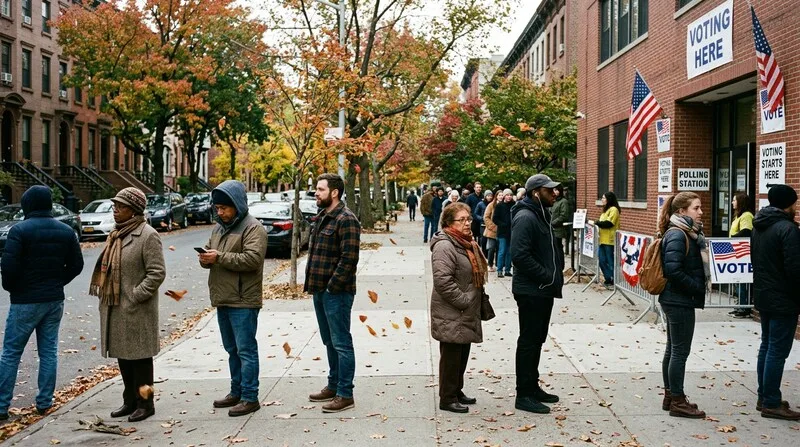
Under-35 voters rank climate #2 as a voting issue. In 2022, youth turnout was significantly above historical midterm averages, partly driven by Dobbs. In 2026, climate and IRA rollback concerns are the analogous mobilizing issue for this cohort.
Democrats in swing districts are not running on "climate change" — they are running on "clean energy jobs" and framing IRA credits as an economic development program at risk. This reframing tests better in manufacturing communities than environmental messaging.
Approximately 85% of IRA manufacturing investments went to Republican-held congressional districts — creating an anti-repeal constituency within the R caucus and limiting how aggressively Republican leadership can pursue full IRA rollback.
Youth Climate Voters: The 2026 Mobilization Question
The 2022 midterms produced the highest youth turnout for a midterm since WWII — 27% of eligible voters under 30 cast ballots. This was driven largely by post-Dobbs abortion rights mobilization. In 2026, climate and economic anxiety are the primary mobilizing issues for young voters, alongside student debt and housing costs. Democratic campaigns in competitive districts are running climate-adjacent content specifically targeted at 18–29 voters on TikTok, Instagram, and YouTube.
The electoral math is meaningful: under-35 voters went D+27 in the 2022 generic ballot. In close House races with margins of 3–5 points, a shift of even 2–3 percentage points in youth turnout or margin can determine the outcome. Democratic organizing specifically targeting campuses and young urban professionals in suburban districts is built around the climate-and-economic-future message — positioning IRA clean energy jobs as a generation-defining investment at risk from a political party that did not create them. Whether this produces 2022-level youth engagement or reverts to historical midterm patterns — where younger voters significantly underperform older demographics — will be one of the key unknowns of the 2026 election night.
Frequently Asked Questions
How is the IRA affecting the 2026 elections?
The IRA's 800K+ jobs and $380B in private investment are directly at risk if Republicans pursue IRA tax credit rollbacks in 2026 budget reconciliation. This creates tangible electoral stakes in Michigan, Pennsylvania, Wisconsin, Arizona, and Nevada, where IRA-sited clean energy facilities employ significant numbers. Republicans face internal pressure: ~85% of IRA manufacturing investments went to R-held districts, making full repeal politically difficult and creating an anti-rollback caucus of ~20 House Republicans.
How important is climate as a 2026 voting issue?
Climate ranks #2 for voters under 35 (after economy) and fifth or sixth among all voters. Its electoral impact is amplified by its mobilizing effect on youth voters and by Democratic economic framing — presenting IRA clean energy jobs as an economic security issue rather than an environmental one. 67% of Americans support keeping IRA clean energy tax credits, including 48% of Republicans, giving the issue cross-party resonance.
Which states have the most clean energy jobs at risk?
Michigan (~180K clean energy jobs, $18B IRA investment) leads swing states, followed by Pennsylvania (~120K, $12B), Arizona (~60K, $9B), Nevada (~45K, $7B), and Wisconsin (~35K, $4B). IRA rollback would not immediately eliminate these jobs but would pause planned expansions and send a market signal reducing future investment. Senate and House races in all these states feature IRA-related arguments prominently.