Economic anxiety drove Republican wins in 2022. Now it is operating against them. The same voters who punished Democrats for inflation in 2022 are connecting tariff-driven price increases to Republican trade policy in 2026 — creating what pollsters describe as a cost-of-living blame reversal with significant electoral consequences.
- Direct blame reversal: in 2022, roughly 60% blamed the Biden administration for high prices; in 2026, tariff-driven price increases are attributed to the Trump administration — the same mechanism, opposite partisan direction.
- Tariffs are politically unique as an inflation driver: unlike supply-chain disruptions, they are a named policy choice with a named author, making causal attribution easier for voters.
- Consumer confidence declined twice: first from cumulative 2021-2023 price levels, then again on tariff announcements — the double-hit creates compounding political damage.
- Democratic messaging on product-specific tariff impacts (TVs, cars, appliances) is polling effectively with suburban independents who don't follow trade policy but do buy electronics.
From 2022 Inflation to 2026 Tariff Prices: A Blame Reversal
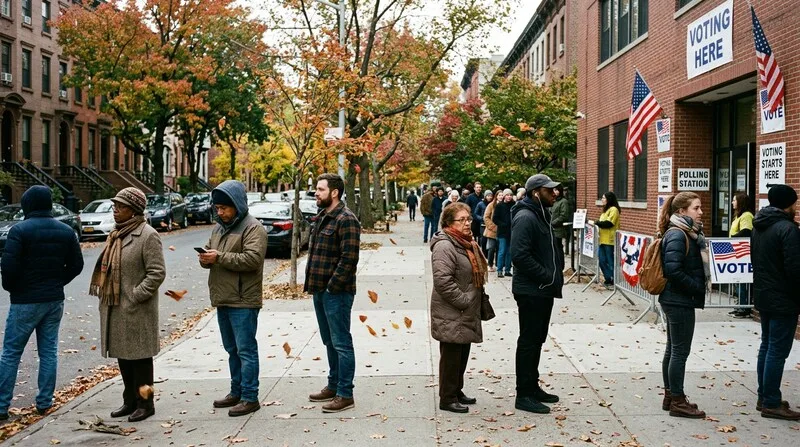
The 2022 midterm election was defined by inflation. After the COVID-19 pandemic disrupted global supply chains and the federal government pumped trillions in stimulus spending into the economy, consumer prices rose at the fastest rate in 40 years — peaking at 9.1% CPI in June 2022. While economic historians and economists largely attribute the 2021-2022 inflation spike to a combination of pandemic supply shocks, energy price surges, and pent-up demand, voters attributed it to the Biden administration's policies. Polling showed that roughly 60% of voters blamed the Biden White House for high prices, and the inflation issue contributed to Democratic losses in the 2022 midterms — though Republicans underperformed expectations, the environment was definitively unfavorable for the incumbent party.
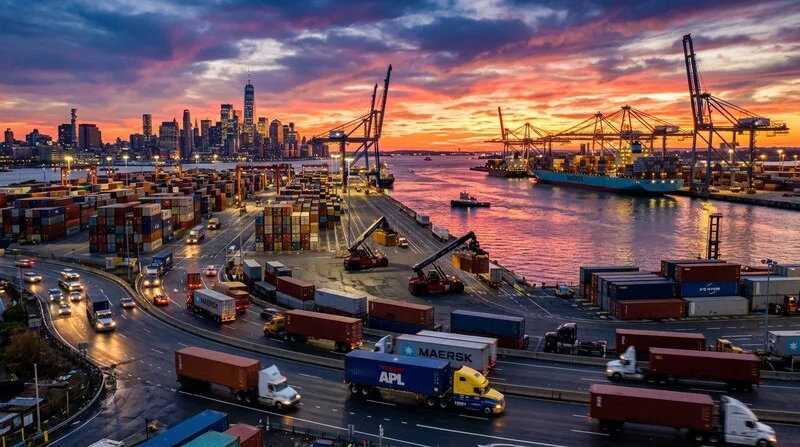
The 2026 environment is structurally similar but politically inverted. Underlying inflation — the residual post-pandemic price level — remains elevated relative to pre-2021 baselines, with many consumers still experiencing the cumulative price increases of 2021-2023 as a persistent cost-of-living burden. On top of this baseline comes the new source of price pressure: tariffs. Unlike supply-chain disruptions, tariffs are a direct policy choice made by an identifiable political actor — the Trump administration. Polling data consistently shows that voters understand this causation more clearly than they understood the complex mechanisms behind 2021-2022 inflation.
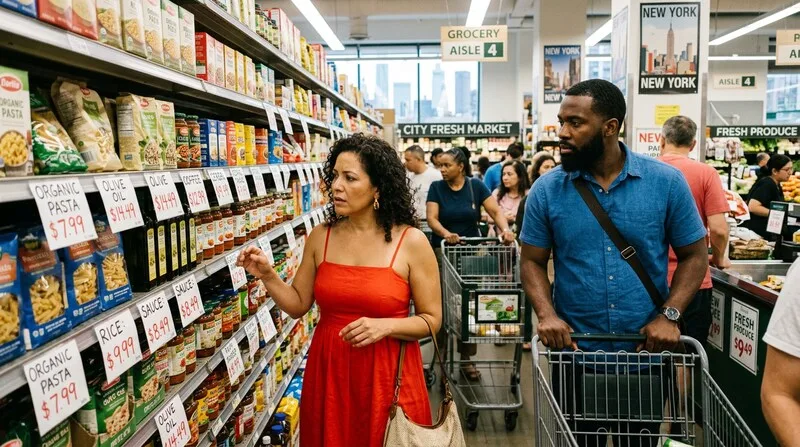
The political implication is significant. In 2022, cost-of-living anger translated into votes against Democrats. In 2026, cost-of-living anger is translating, in polling data, into votes against Republicans. Democrats have spent considerable messaging resources ensuring that voters connect specific price increases — the cost of a television, a refrigerator, a car — to the tariff policy decision. Early polling suggests this messaging is working, particularly with suburban voters and independents who do not follow trade policy details but respond to concrete examples of products they buy that have increased in price.

Price Increases by Category: Tariff Impact
| Category | YoY Price Change (Mar 2026) | Tariff Exposure | Avg. Household Spend/yr | Est. Added Cost |
|---|---|---|---|---|
| Consumer Electronics | +8.4% | High (China-sourced) | $1,200 | +$101 |
| Furniture / Home Goods | +6.2% | High (China/Vietnam) | $800 | +$50 |
| Clothing / Apparel | +5.7% | High (China/Bangladesh) | $1,800 | +$103 |
| New Vehicles | +4.3% | Moderate (auto parts) | $3,500/yr cost of ownership | +$150 |
| Groceries | +2.8% | Moderate (food inputs) | $9,000 | +$252 |
| Energy | +1.2% | Low | $2,200 | +$26 |
CPI data from Bureau of Labor Statistics, March 2026. Tariff exposure classifications reflect primary import sourcing. Household spend figures are national averages from Bureau of Economic Analysis consumer expenditure data. Added cost estimates are approximations and do not capture all indirect tariff impacts through supply chains.
Consumer Confidence Trajectory
| Date | Conference Board Index | UMich Sentiment | Key Context |
|---|---|---|---|
| Jan 2025 | 105.3 | 74.0 | Trump inauguration, market optimism |
| Apr 2025 | 101.8 | 71.4 | First tariff announcements, modest concern |
| Jul 2025 | 98.4 | 68.9 | Tariff escalations, retaliatory tariffs from China/EU |
| Oct 2025 | 96.1 | 67.2 | Price increases begin hitting consumer baskets |
| Jan 2026 | 95.3 | 71.1 | Holiday spending, modest seasonal improvement |
| Mar 2026 | 92.9 | 64.3 | Tariff expansion to more categories; lowest since Nov 2020 |
Voter Sentiment on Economic Issues, April 2026
Trump Economic Approval: 41%
Trump's approval on the economy has fallen from 52% in January 2025 to 41% in April 2026 — a 11-point decline driven primarily by tariff-related economic concerns. The decline is steepest among independents (down 14 points), suburban women (down 16 points), and self-described moderates (down 13 points). These are precisely the voter groups that Democrats need to mobilize or persuade for 2026 gains. Historical data shows that presidential economic approval below 45% in the 12 months before a midterm correlates strongly with significant House seat losses for the president's party.
Who Voters Blame for High Prices
A late-March 2026 poll asked voters who bears the most responsibility for current price increases. Results: tariff policy / Trump administration (44%), corporate price gouging (21%), Federal Reserve / monetary policy (12%), Biden-era spending (11%), other / no one (12%). The 44% blaming tariffs represents a dramatic reversal from 2022, when roughly 60% blamed the Biden administration for inflation. The specific attribution to a named policy — tariffs — rather than vague "Washington" or "the economy" makes the issue more politically actionable for Democrats than generic economic discontent.
Changed Purchasing Behavior
Surveys show 67% of Americans have changed purchasing behavior due to higher prices in 2026 — delaying appliance or electronics purchases (38%), buying cheaper brands of clothing or food (41%), cutting discretionary spending (33%), or explicitly avoiding tariff-affected product categories (19%). Behavioral economics research shows that consumers who actively change purchasing behavior due to a government policy are significantly more likely to vote on that issue and to attribute responsibility to the party in power. The breadth of behavioral change visible in consumer surveys suggests that tariff-driven economic anxiety is not a media narrative detached from lived experience — it is affecting real household decisions.