- Swing state economies diverge significantly in their tariff exposure: Michigan and Ohio (manufacturing) face the highest direct tariff risk; Pennsylvania and Wisconsin (mixed) face moderate exposure; Arizona and Nevada (service-heavy) face lower direct impact but significant consumer price pressure.
- Economic sentiment in competitive states matters more than headline economic data: voters experiencing local layoffs, higher prices, or business closures respond to those concrete conditions rather than national GDP or unemployment figures.
- The tariff divide among swing states creates a strategic challenge for Republicans: industrial Midwest voters who supported Trump partly for manufacturing protectionism now face the costs of the tariff policies they endorsed.
- Economic anxiety translates to votes most reliably through cost-of-living perception: voters who report that their household financial situation has worsened historically vote against the incumbent party at rates 15–20 points above the national average.
- Georgia and North Carolina swing state status reflects demographic change more than economic anxiety: college-educated suburban growth in Atlanta, Charlotte, and Raleigh-Durham is the primary driver of their political competitiveness.
State-by-State Economic Snapshot
| State | Unemployment | Key Industry | Tariff Impact | Economic Sentiment | 2026 Competitive Races |
|---|---|---|---|---|---|
| Pennsylvania | 4.1% | Steel, healthcare, finance | Mixed — steel helps Pittsburgh, supply chain costs hurt elsewhere | Negative (-12 net) | Senate (McCormick), PA-1, PA-7, PA-10 |
| Wisconsin | 3.8% | Manufacturing, dairy, paper | Negative — dairy exports hit by retaliatory tariffs; auto parts | Negative (-15 net) | Senate (Johnson), WI-3 |
| Michigan | 4.4% | Autos, EV transition, tech | Negative — Canada/Mexico auto parts tariffs disrupt supply chains | Negative (-18 net) | Senate (Peters), MI-7, MI-3 |
| Georgia | 3.6% | Tech, logistics, manufacturing | Mixed — CHIPS Act investment positive, consumer prices negative | Mixed (-6 net) | Senate (Ossoff), GA Gov |
| Arizona | 4.0% | Semiconductors, real estate, tourism | Mixed — TSMC fab investment positive; housing costs extreme | Mixed (-8 net) | Senate (Gallego), AZ-1, AZ-6 |
| Nevada | 4.8% | Hospitality, gaming, construction | Negative — consumer spending down as tariff inflation bites tourism | Negative (-14 net) | Senate (Rosen), NV-3 |
| North Carolina | 3.7% | Research Triangle tech, textiles, agriculture | Mixed — tech positive, tobacco/agriculture exports mixed | Slightly negative (-5 net) | Senate (Tillis), NC Gov |
| Ohio | 4.3% | Manufacturing, healthcare, agriculture | Mixed — steel positive in Cleveland; auto/consumer negative elsewhere | Negative (-16 net) | Senate (Moreno), OH-1, OH-13 |
The Tariff Divide
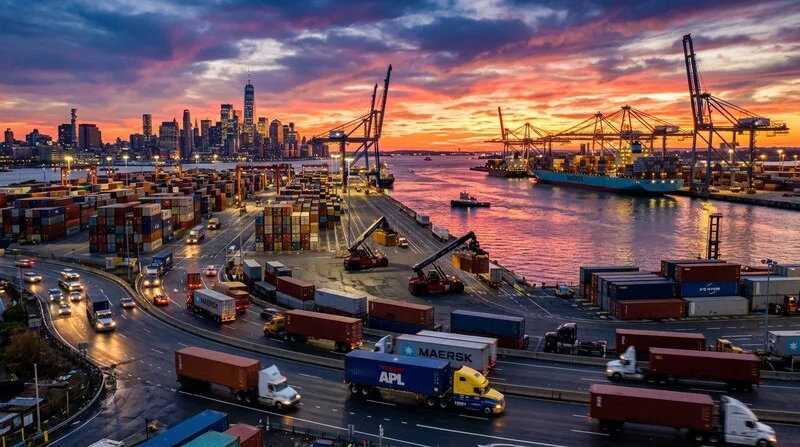
The Trump tariff policy creates geographic winners and losers that cut across the competitive map in complicated ways. The 25% tariff impactCanadian and Mexican goods are particularly damaging to the integrated North American auto manufacturing supply chain — a problem concentrated in Michigan, Ohio, and Indiana, all states that Trump won in 2024. The same states that voted Republican because of Trump's working-class populism on trade are experiencing the most direct economic pain from trade disruption. This creates an unusual political dynamic: the workers who benefited symbolically from Trump's anti-free-trade stance are now experiencing the costs of that stance in their paychecks and their plant's supply chain disruptions.
Agricultural states face a different tariff dynamic. China's retaliatory tariff impactUS agricultural products — soybeans, corn, pork — affect Iowa, Wisconsin, Illinois, and the broader Midwest. These are largely safe Republican states in federal elections, but the economic pain lands on farmers who are a core Republican constituency. Jerry Moran of Kansas has been one of the vocal Senate Republican voices expressing concern about agricultural trade disruption, reflecting the real political pressure even in Safe R states. In competitive states like Wisconsin, where dairy farming is economically and culturally significant, China's retaliatory dairy tariffs create a specific, tangible political problem for Republican incumbents.
How Economic Anxiety Translates to Votes
Grocery Store Politics
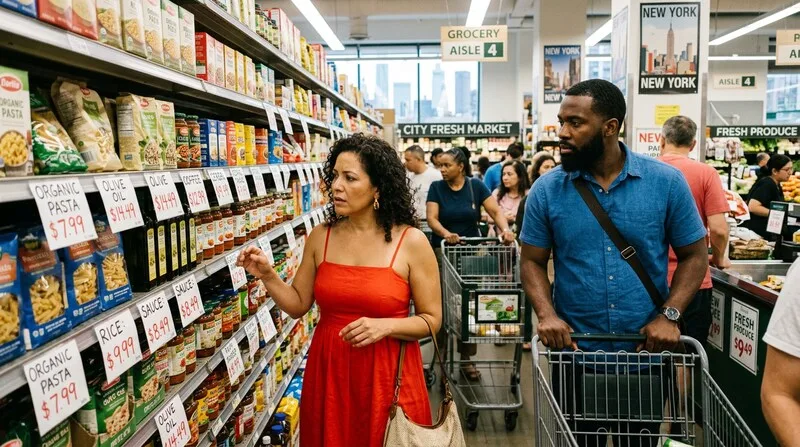
63% of Americans say tariffs raise consumer prices. The most tangible impact is in everyday purchases — food, electronics, clothing. For working-class swing voters, a 10-15% increase in grocery costs over 18 months is more politically salient than quarterly GDP reports. Nevada's service workers, Pennsylvania's suburban families, and Michigan's auto workers all experience this through their household budgets. This is the mechanism by which tariff policy becomes House and Senate race votes.
Manufacturing Employment
Trump's manufacturing jobs promise is only partially fulfilled. Some steel-related jobs have returned to specific communities. But broader manufacturing employment is flat or declining in key swing states as automation continues, supply chain disruptions cause plant slowdowns, and retaliatory tariffs hit export-dependent sectors. The political problem: voters compare current conditions to expectations set by campaign promises, not to a neutral baseline. "Manufacturing is about the same" falls short of "bring jobs back."
Housing: Cross-Cutting Issue
Housing cost crisis affects every swing state but cuts differently by voter type. Home owners (typically older, more Republican-leaning) have seen housing wealth increase dramatically. Renters and first-time buyers (younger, more Democratic-leaning) face locked-out markets and unaffordable prices. The political valence of housing costs therefore depends heavily on whether the competitive district in question has more owners worried about property tax assessments or more renters priced out of ownership — a geographic question that varies significantly across the 30 competitive House seats.