
- Trump signed 142 executive orders in his first 100 days — nearly double Biden's 77 and triple the modern historical average
- Federal courts issued 20+ stays against key EOs, with 5 immigration cases on SCOTUS expedited dockets
- The Alien Enemies Act of 1798 was invoked to deport Venezuelan nationals — the first such use in modern US history
- A birthright citizenship EO was immediately blocked as unconstitutional under the 14th Amendment by multiple federal judges
- Over 350 deportation flights have been executed under the AEA and INA as courts and the executive branch contest the limits of presidential power
The Scale of Second-Term Executive Action
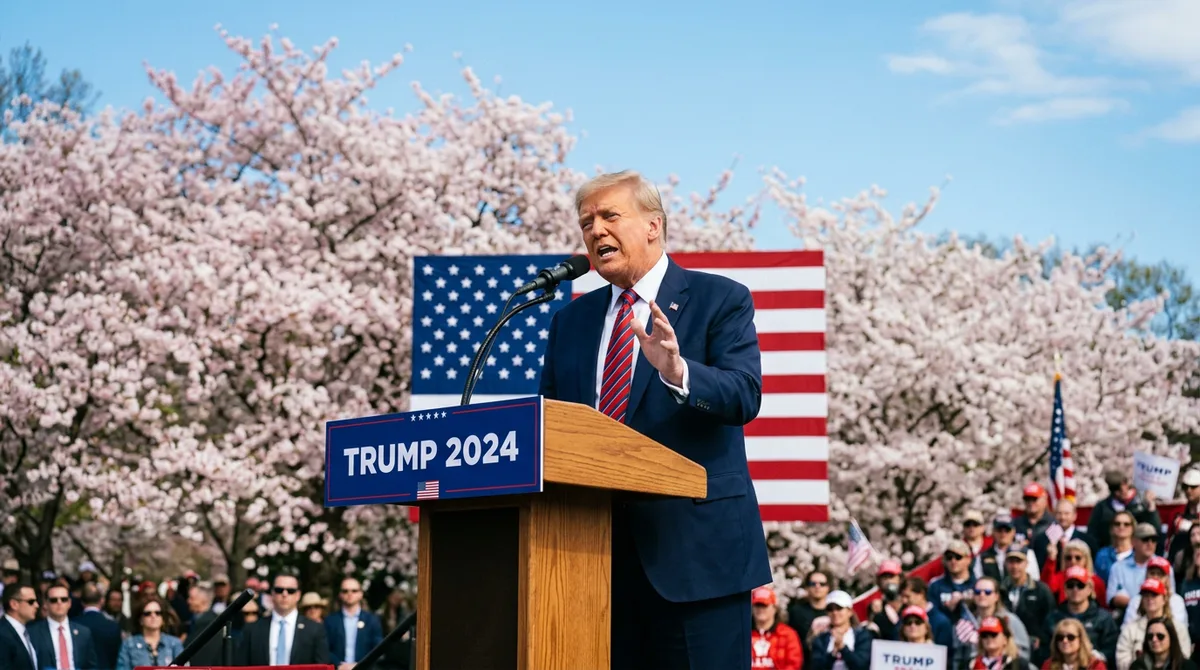
Trump\'s approval opened with an extraordinary burst of executive orders — 142 in the first 100 days, nearly double Biden's first-term pace and triple the modern historical average. The strategy was deliberate: Trump's team, drawing on the lessons of his first term and the Project 2025 framework prepared during the Biden years, entered the White House with a pre-written library of executive orders ready for signature. The goal was to move faster than courts and Congress could react, creating facts on the ground before legal challenges could be adjudicated.
The scope of the orders is sweeping: immigration polling, federal workforce restructuring (DOGE), trade tariffs, DEI program elimination, federal contractor policy changes, energy permitting overhauls, and declassification of historical documents. Not all EOs are legally contested — many address administrative matters within clear executive authority — but the immigration and constitutional orders have generated the most significant judicial resistance.
The Alien Enemies Act: 1798 Law in 2026
The Alien Enemies Act of 1798 — used historically during World War II to justify Japanese American internment, a SCOTUS polling later condemned as one of the court's worst errors — was invoked by Trump to authorize expedited deportations of Venezuelan nationals alleged to be members of the Tren de Aragua criminal organization, which the administration designated a foreign terrorist organization. The legal theory requires that the U.S. be in a state of declared war or subject to an "invasion" or "predatory incursion" by a foreign nation or government.
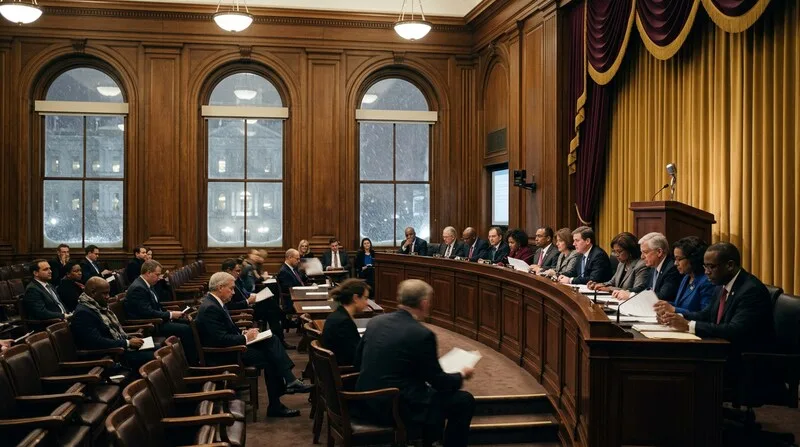
Federal judges, including several appointed by Trump, found that characterizing gang activity as an "invasion" under the AEA's original meaning was a stretch that exceeded the statute's scope. The Supreme Court issued emergency orders pausing deportations of named individuals while the constitutional question is briefed. The outcome of the AEA litigation will determine not just the fate of specific deportees but the breadth of presidential emergency authority in the immigration domain going forward.
Birthright Citizenship: The 14th Amendment Test
Trump's executive order seeking to deny automatic citizenship to children born on U.S. soil to undocumented or visa-overstay parents was immediately challenged as unconstitutional under the 14th Amendment, which provides that "all persons born or naturalized in the United States, and subject to the jurisdiction thereof, are citizens." Every federal court that reviewed the order stayed it, with judges across the political spectrum finding the constitutional text unambiguous. The administration has appealed to the Supreme Court, arguing either that "subject to the jurisdiction thereof" excludes children of unauthorized immigrants, or that the Court should reconsider the 1898 Wong Kim Ark precedent establishing birthright citizenship's scope.
EO pace excites MAGA base. Court blocks generate "activist judges" narrative. Legal fights energize Democratic fundraising. 2026 campaigns will use both narratives.
SCOTUS will decide birthright citizenship and AEA cases by end of 2026 term. 6-3 conservative majority means administration wins some, loses some. Birthright citizenship EO likely remains blocked.
142 EOs in 100 days is unprecedented. Roosevelt held the record at 30 in his first 100 days. Trump's second term EO volume reflects structural shift to executive governance as Congress gridlocks.
Frequently Asked Questions
How many executive orders has Trump signed in his second term?
Approximately 142 in the first 100 days — an unprecedented pace. Biden signed 77 in his first 100 days; Obama signed 19. Trump's strategy is to move faster than courts can block.
Which Trump EOs were blocked by courts?
The birthright citizenship EO was immediately stayed by multiple federal courts. The Alien Enemies Act invocation was partially blocked. Several DOGE-related workforce orders face ongoing litigation. 20+ stays issued across federal courts.
What is the Alien Enemies Act and how did Trump use it?
An 1798 law allowing deportation of nationals of hostile nations during wartime/invasion. Trump invoked it against Venezuelan Tren de Aragua members by declaring gang activity an "invasion." Courts partially blocked it; SCOTUS is reviewing.