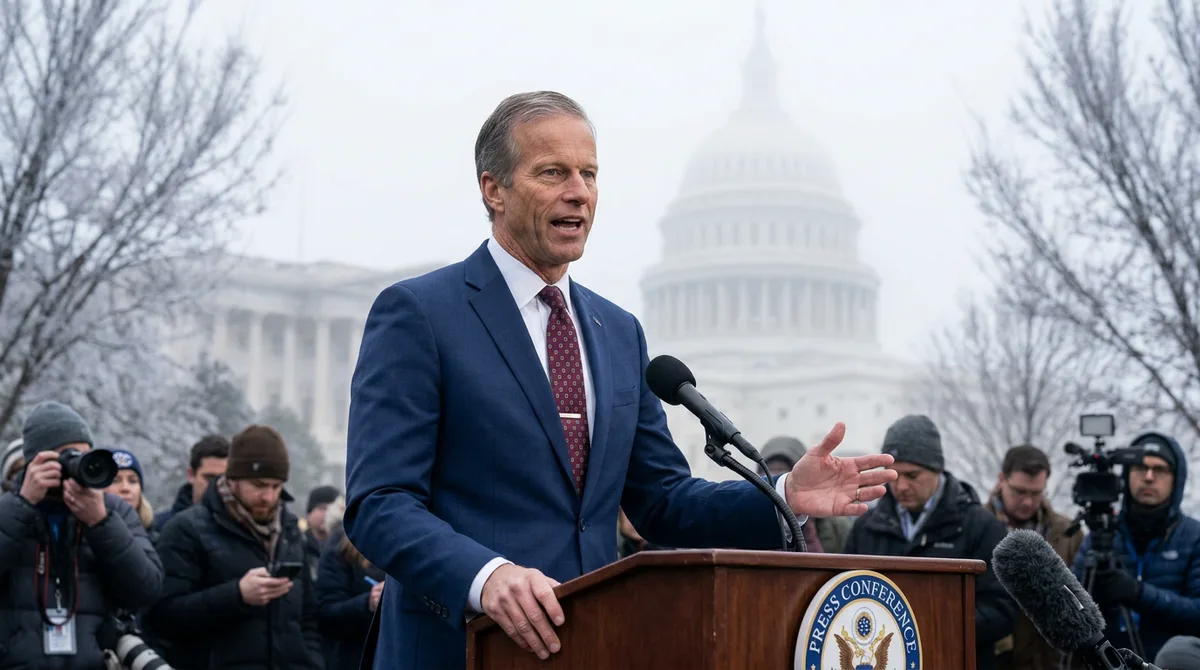
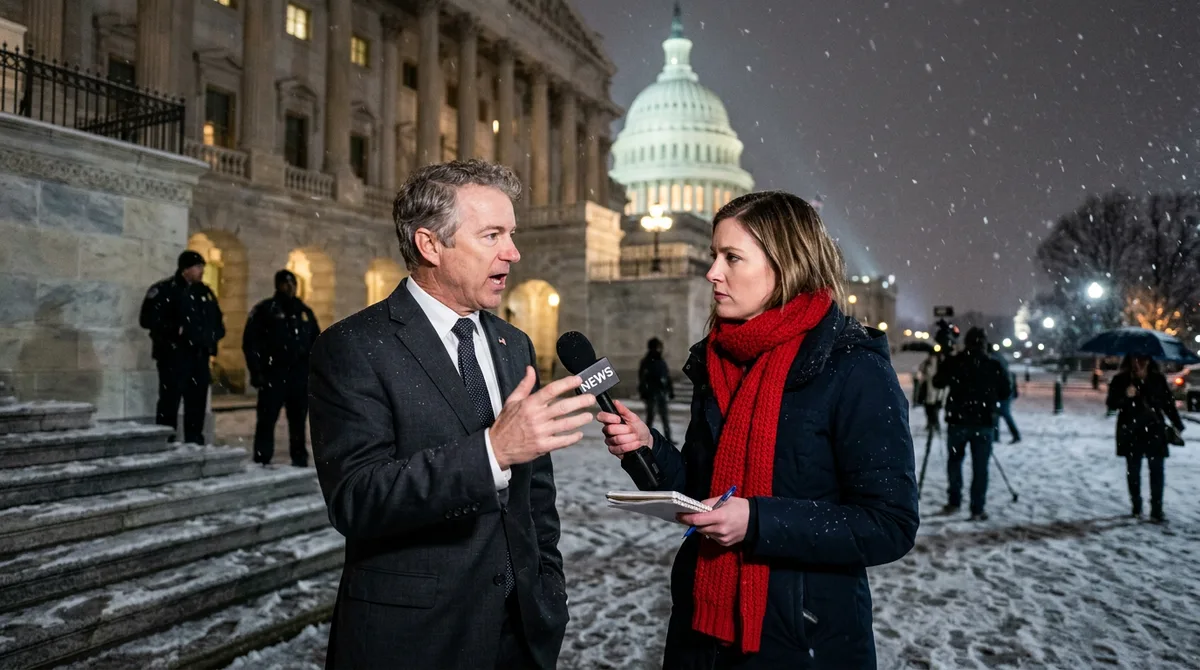
- Jerry Moran (R-KS) is a three-term Kansas senator re-elected in 2022 by 30 points, chair of the Senate Veterans' Affairs Committee — one of the most senior Republican voices on veteran healthcare and benefits.
- Kansas is R+15 — reliably Republican at the statewide level, and Moran faces no serious re-election threat as he continues to build seniority in the Senate.
- The PACT Act (Sergeant First Class Heath Robinson Act) — expanding VA healthcare for veterans exposed to toxic burn pits — passed in 2022 with Moran as a key Republican co-sponsor and advocate.
- Moran previously served nine terms in the House (1997-2011) before winning his Senate seat — his 27+ years in Congress give him deep institutional knowledge and seniority on agricultural, rural broadband, and defense issues.
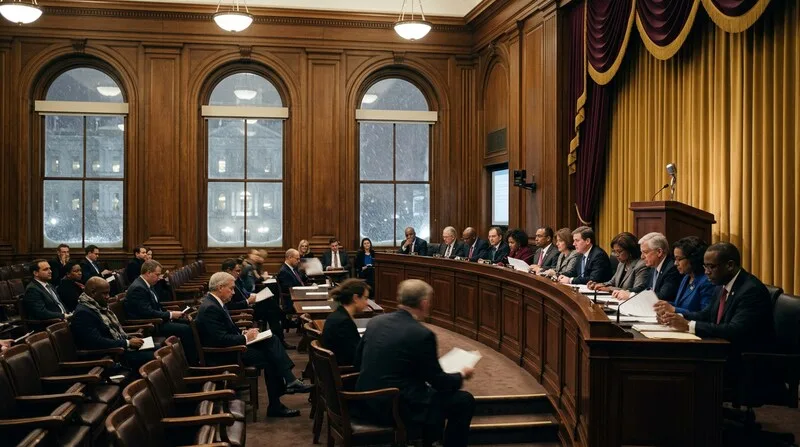
Biography
Gerald "Jerry" Moran was born on May 29, 1954, in Plainville, Kansas, and has spent his entire political career representing his home state. He earned his undergraduate degree from Fort Hays State University and his law degree from the University of Kansas, building a career in banking and law in western Kansas before entering state politics. He served in the Kansas State Senate from 1989 to 1997, including time as majority leader, before winning election to the US House of Representatives in 1996, where he served seven terms representing the Big First district — a vast, sparsely populated district covering western and central Kansas. In 2010 he won the Senate majority vacated by the retiring Sam Brownback, defeating fellow congressman Todd Tiahrt in a competitive Republican base and then winning the general election easily in the deep-red Kansas political environment.
In the Senate, Moran has built his reputation primarily around veterans affairs and rural economic issues, reflecting the character of his state and constituency. He served multiple times as chairman of the Senate Veterans Affairs Committee, where his most consequential work was the 2014 VA reform legislation passed in the wake of the wait-time scandal that revealed systemic failures in veteran healthcare delivery. He also serves on the Appropriations Committee, where he has worked to direct federal resources to Kansas military installations, agricultural programs, and rural infrastructure.
Moran represents the traditional Kansas Republican tradition: fiscal conservatism, strong support for agriculture and rural communities, skepticism of federal overreach, and a pragmatic rather than ideological approach to governance. He has generally aligned with the Republican base on most votes while occasionally staking out independent positions on issues important to Kansas. He does not typically generate the national attention of more confrontational Republican senators but has built a durable political brand in Kansas centered on constituent service and substantive policy work.
Key Policy Positions
Veterans Affairs Reform
Moran's signature legislative achievement is the Veterans Access, Choice, and Accountability Act of 2014, which he shepherded through the Senate in response to the VA wait-time scandal. The scandal revealed that VA facilities had falsified appointment records while veterans waited months for care, with some dying while waiting. The Choice Act created a system allowing veterans to see non-VA healthcare providers when VA facilities were too distant or wait times too long. Moran has continued working on VA oversight, mental health resources for veterans, and suicide prevention programs. Kansas has a significant veteran population and multiple major military installations including Fort Riley and McConnell Air Force Base, making veterans policy central to his constituency service.
Agricultural Policy & Rural Development
As a senator from one of the nation's major agricultural states, Moran has been a consistent advocate for farm policy, rural broadband expansion, and rural economic development. He has worked on multiple Farm Bill reauthorizations, protecting crop insurance programs and commodity supports that are vital to Kansas wheat, corn, and soybean producers. He has pushed for rural broadband investment as a matter of economic equity — arguing that rural communities cannot compete in the modern economy without high-speed internet access — while opposing what he sees as excessive regulation of agricultural operations. His agricultural work reflects both the economic reality of Kansas and his background representing the vast rural expanses of the Big First congressional district.
Fiscal & Economic Policy
Moran is a consistent fiscal conservative who supports tax cuts, spending restraint, and opposition to regulatory expansion. He voted for the 2017 Tax Cuts and Jobs Act and has consistently opposed large Democratic spending packages. He supports balanced budget amendments and has been critical of federal deficit expansion. His Appropriations Committee work, however, has involved directing federal spending to Kansas priorities — a tension common among Republican appropriators who combine general fiscal conservatism with specific appropriations advocacy for their states. He has also worked on financial services policy given his banking background, generally favoring lighter regulation of community banks and credit institutions that are critical to rural Kansas economies.
Kansas Senate Elections
| Year | Opponent | Moran % | Margin | Context |
|---|---|---|---|---|
| 2010 | Lisa Johnston (D) | 70.0% | +40 | Tea Party wave; won open seat easily in deep-red Kansas |
| 2016 | Patrick Wiesner (D) | 62.0% | +24 | Re-elected comfortably; strong incumbency advantage |
| 2022 | Mark Holland (D) | 59.8% | +20 | Comfortable win in good year for Democrats nationally |
| 2026 | TBD (D) | Est. ~60% | Safe R | No credible Democratic challenger identified; rated Safe R |