Sharice Davids
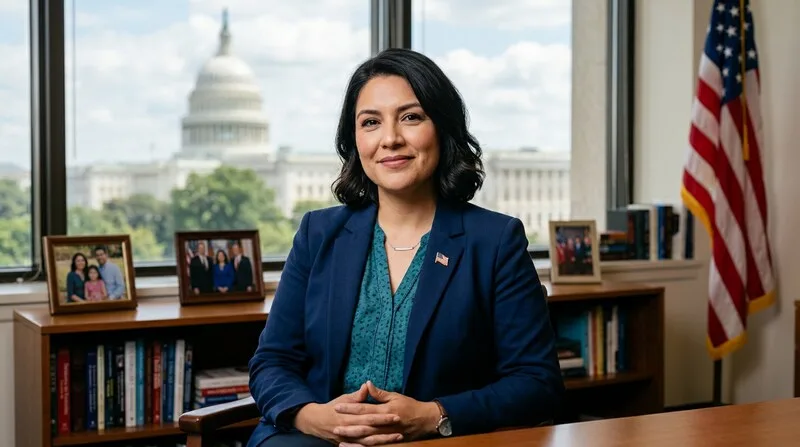
- Sharice Davids (D-KS) represents Kansas's 3rd Congressional District, covering Kansas City suburbs — one of the few Democratic House seats in a deep-red state.
- KS-3 is rated Toss-up — Biden won it by 4 points in 2020, Trump won it by 2 in 2024, making it one of the most evenly divided suburban districts in the Midwest.
- She is a former MMA fighter and professional wrestler, as well as a member of the Ho-Chunk Nation — making her one of the first two Native American women elected to Congress (alongside Deb Haaland in 2018).
- Davids serves on the House Ways and Means Committee, giving her a key role in tax policy and healthcare legislation — issues central to her district's diverse suburban constituency.

Career Timeline
Policy Positions
MMA Fighter, Harvard Lawyer, White House Fellow
Sharice Davids grew up in a military family and competed as a professional MMA and kickboxing fighter before earning her Harvard Law degree. She then served as a White House Fellow in the Obama administration. In 2018 she was one of the first two Native American women ever elected to Congress, alongside Deb Haaland of New Mexico. Her Ho-Chunk Nation membership and her diverse professional background have made her one of the most distinctive members of the House Democratic caucus.
Kansas City Suburbs — Johnson County
KS-3 covers the Kansas City, Kansas metro including Overland Park, Olathe, Lenexa, and most of Johnson County — one of the wealthiest suburban counties in the Midwest. Johnson County has historically been solidly Republican but shifted significantly toward Democrats in 2018 and 2020 among college-educated suburban voters. The 2022 Kansas abortion amendment defeat (61% voted No) showed the district's moderate-to-liberal streak on social issues, which benefits Davids.
Strong Incumbent in Tough Territory
Davids has won KS-3 four consecutive times, building substantial name recognition and incumbent strength in a district that technically leans Republican. Her ability to win depends on her moderate positioning, strong fundraising, and Kansas's suburban college-educated voters continuing to resist the Republican trend. A neutral-to-favorable Democratic environment in 2026 should allow her to hold. A strong Republican wave could put her at risk, but she has proven resilient through multiple election cycles.