Texas Economy 2026: Energy, Tech, and Trade Wars
Texas leads the US in oil and gas production, hosts Dell, Tesla, Oracle, and Apple in Austin, and runs the largest land trade corridor with Mexico. Every one of these sectors faces direct tariff exposure.
Texas Economic Snapshot 2026
| Indicator | Texas | National | Status |
|---|---|---|---|
| Unemployment Rate | ~4.0% | 4.2% | near avg |
| GDP (State) | ~$2.5T | — | 2nd largest US |
| Oil & Gas Production | #1 in US | — | largest producer |
| LNG Export Volume | #1 in US | — | tariff exposed |
| TX-Mexico Trade Value | ~$250B+ | — | tariff direct risk |
| Population | 30M+ | — | fastest-growing state |
| Austin Tech Employment | rapidly growing | — | relocation hub |
| Beef Exports (China target) | major exporter | — | retaliation risk |
| Soybean Exports (China) | top 5 state | — | retaliation risk |
| Border Trade Ports (Laredo/El Paso) | busiest US-MX ports | — | USMCA tariff risk |
Sources: BLS, Texas Economic Development, EIA, US Census Bureau, Texas A&M Border Economy Data. Data as of early 2026.
Four Texas Economic Sectors Under 2026 Pressure
LNG Exports and Tariff Retaliation Risk
Texas produces approximately 43% of US natural gas and is the nation’s dominant LNG exporter, with terminals in Freeport, Sabine Pass, and Corpus Christi shipping to Europe and Asia. The post-2022 European LNG surge following the Russia-Ukraine war created a major new export market for Texas producers.
However, tariff retaliation creates vulnerability. China has historically targeted US energy in trade disputes. The EU, under its Anti-Coercion Instrument, could redirect LNG procurement toward Qatar, Australia, or Norway if US-EU trade tensions escalate. Texas energy producers benefit from the broader Trump tariff agenda in theory — but face real export market risk from retaliatory measures.
The Permian Basin (West Texas) and Eagle Ford Shale operators are watching global LNG pricing carefully. Any prolonged trade war that reduces global energy demand or redirects purchase decisions away from US suppliers would hit Texas harder than any other state.
Austin’s Tech Boom: Dell, Tesla, Oracle, Apple
Austin has become the most prominent destination for California tech company relocations. Tesla moved its headquarters from Palo Alto to Austin in 2021 and built Gigafactory Texas in east Austin, employing over 20,000 workers. Oracle relocated its HQ in 2020. Apple is building a $1B+ campus in northwest Austin. Dell Technologies, a native Texas company, remains anchored in Round Rock.
The tech influx has transformed Austin from a mid-size state capital into a major metropolitan tech hub. It has also transformed Travis County and Williamson County politically: both now vote Democratic or competitively, driven by college-educated tech workers who represent a structural Democratic gain in the heart of Texas.
Tariff exposure for tech: semiconductor tariffs on Chinese-manufactured components raise production costs for Texas-based manufacturers. Tesla vehicles use global supply chains with significant Chinese component exposure, and Gigafactory Texas could face input cost increases from tariff cascades on battery materials.
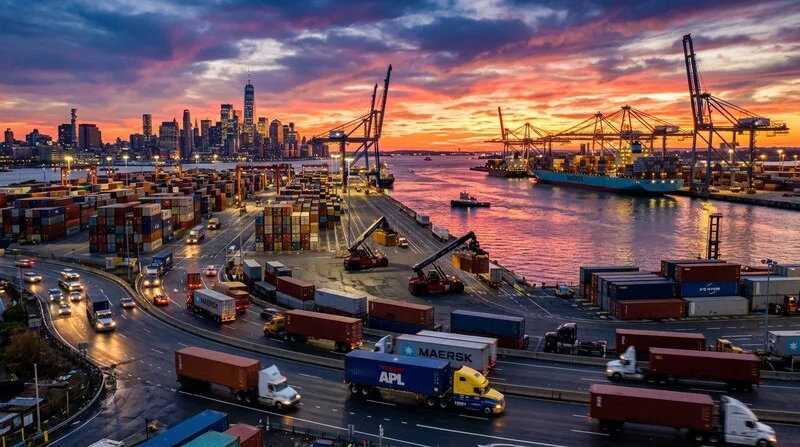
El Paso, Laredo, and $250B Mexico Trade Corridor
Laredo, Texas is the largest inland port in the United States and the busiest US-Mexico land crossing for commercial trade. Over $250 billion in goods cross through Texas-Mexico ports annually — automobiles, electronics, agricultural products, and manufactured goods that depend on the integrated supply chains built under NAFTA and its successor USMCA.
Texas agriculture also faces direct tariff exposure. Texas is the largest US beef-producing state, and China and Japan are major beef export markets. Texas soybeans, cotton, and grain sorghum are exported heavily to China and EU markets. Both Chinese and EU retaliatory tariff lists have included beef and soybeans in past trade disputes.
The border economy creates a politically awkward dynamic for Texas Republicans: they support border security and the Trump agenda, yet their district economies — El Paso, Laredo, McAllen, Brownsville — are economically integrated with Mexico and most exposed to the tariff costs that come with trade confrontation.