Brad Finstad
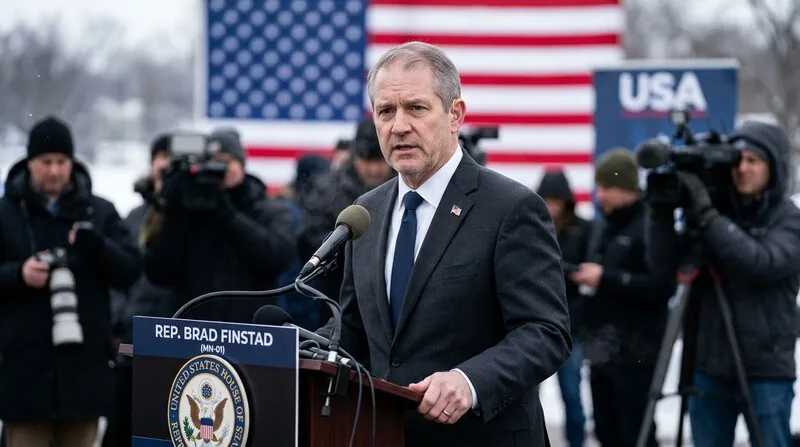
- Brad Finstad (R-MN) won Minnesota's 1st Congressional District in a 2022 special election, succeeding Jim Hagedorn, and was re-elected in 2022 and 2024 in a R+10 district.
- MN-1 covers southern Minnesota farm country, including Rochester (home to the Mayo Clinic) — a district that has trended Republican as rural Minnesota shifts away from its historic farm-labor Democratic roots.
- Finstad is a farmer and former state legislator whose district background drives his focus on agricultural policy, rural broadband, and ethanol subsidies critical to corn and soybean farmers.
- He serves on the House Agriculture Committee, giving him a direct role in the Farm Bill negotiations that determine crop subsidies, food stamps, and rural development funding.
Career Timeline
Policy Positions
Farm Policy Expert Enters Congress
Brad Finstad's political career is deeply rooted in Minnesota agricultural policy. He grew up in New Ulm in southwestern Minnesota's farm country, studied agriculture at the University of Minnesota, and worked in agricultural policy roles including as USDA's State Executive Director for Minnesota. After serving in the Minnesota state legislature, he won the special election to fill the seat left vacant by the death of Jim Hagedorn, who had held MN-1 since 2017.
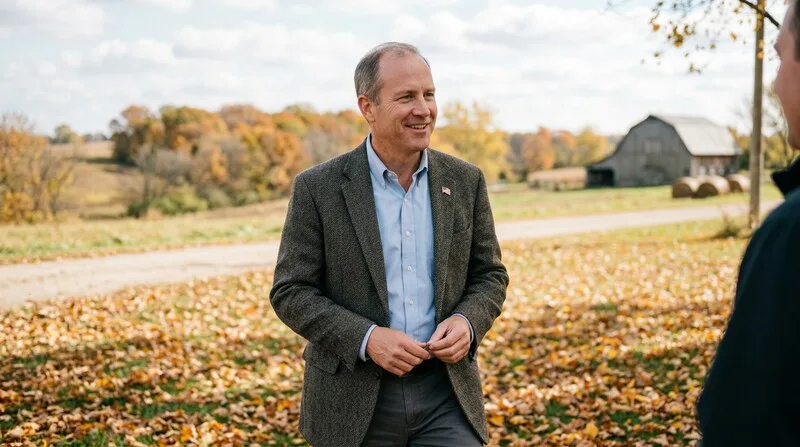
Southern Minnesota — Farms, Mayo Clinic, Blue Collar
MN-1 covers southern Minnesota from the Iowa border north to Rochester, including Albert Lea, Mankato, Owatonna, and dozens of smaller agricultural communities. Rochester anchors the district as home to the world-famous Mayo Clinic, providing a significant healthcare economy alongside the dominant agricultural sector. The district has soybeans, corn, hogs, and dairy as its agricultural core — all vulnerable to trade disruptions. Trump's realignment made MN-1 safely Republican at R+10.
Safe R — Tariff Impact the Key Variable
MN-1 at R+10 is not a competitive seat in normal conditions. However, agricultural economists have noted that retaliatory tariffs from major trading partners — particularly China — disproportionately hurt soybean and corn farmers in districts exactly like MN-1. If Trump's 2025-26 tariff policies cause significant farm income losses, Finstad may face pressure from his own constituents. A strong Democratic candidate with agricultural credibility could make MN-1 more competitive than its partisan lean suggests if farm economies suffer. Track national trends at the generic ballot tracker and House 2026 competitive seats. The economy and trade issue page covers tariff impacts on rural districts. Finstad's neighboring Republican, Zach Nunn (IA-3), faces similar pressures in a more competitive Midwest district.