Florida Economy 2026: Real Estate, Tourism, and Insurance Crisis
Miami home prices up 80% since 2020. Six major insurers have exited Florida. Retirees dependent on Medicare and Social Security face potential federal budget cuts. Hurricane Ian recovery is still incomplete.
Florida Economic Snapshot 2026
| Indicator | Florida | National | Status |
|---|---|---|---|
| Unemployment Rate | ~3.8% | 4.2% | below avg |
| Annual Visitors | ~140M | — | #1 tourism state |
| Tourism Economic Value | $100B+ | — | largest FL industry |
| Cruise Ports | #1 state | — | Miami & Canaveral |
| Miami Home Price Increase | +80% | +35% | extreme bubble |
| Insurance Premiums Increase | +42% | +21% | crisis level |
| Major Insurers Exited FL | 6+ | — | market failure |
| Hurricane Ian Damage (2022) | $113B+ | — | recovery ongoing |
| Retiree Population Share | ~21% | ~17% | above avg |
| Social Security Beneficiaries | ~4.6M | — | federal cut risk |
Sources: BLS, Florida Department of Economic Opportunity, FHFA, VISIT FLORIDA, FEMA. Data as of early 2026.
Three Florida Economic Crises Converging in 2026
The Unaffordability Trap
Florida’s COVID-era real estate boom attracted massive migration from high-cost states. Miami-Dade, Broward, and Palm Beach — the tri-county South Florida area — saw median prices more than double in some zip codes. But the same climate risk that drove hurricane damage also made insurance unaffordable or unavailable.
When six major national insurers exited Florida, homeowners were forced into Citizens Property Insurance — the state-backed insurer of last resort — at significantly higher premiums. Total monthly housing costs (mortgage + insurance + HOA) in Miami have become comparable to Manhattan, priced out the working-class base.
Political implications: affordability anger cuts across party lines. But the Republican governor races will face scrutiny on what the state has done to address the insurance market failure, which has been building for years without adequate legislative response.
140M Visitors — Tariff and Cruise Risk
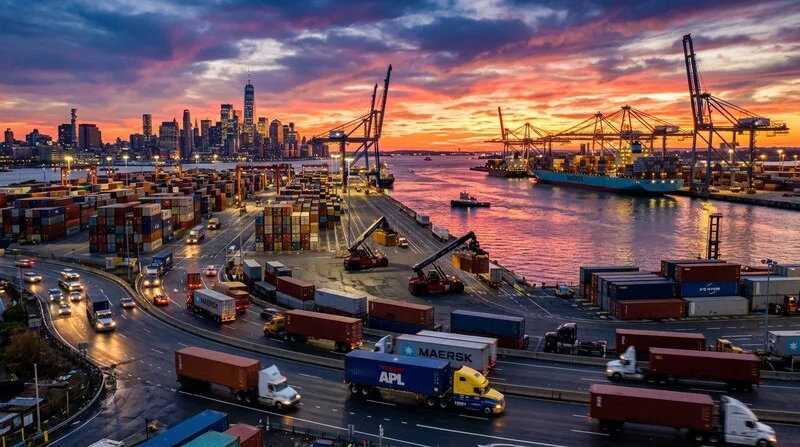
Tourism is the largest sector of the Florida economy, and international visitors represent a disproportionate share of high-value spending. Florida’s cruise industry — centered in the Port of Miami (world’s busiest cruise port), Port Canaveral, and Port Everglades — generates billions in direct economic activity and hundreds of thousands of jobs.
Tariff disputes with Europe and Canada — which together send millions of tourists to Florida annually — could reduce international visitor numbers. Retaliatory trade measures sometimes include travel advisories and currency effects that make US destinations more expensive relative to alternatives. Canadian tourists, a major source market for Florida, face direct trade tension from tariffs on Canadian goods.
The cruise industry also faces tariff cost pass-through: ships are built in Europe (mainly Finland, Italy, Germany) and global supply chains mean that tariff-driven cost increases eventually flow into pricing and margin pressures for cruise operators headquartered in Miami.
Medicare and Social Security: Florida’s Silent Risk
Florida has the highest share of population over 65 of any large US state — approximately 21% of Floridians are retirement-age. With 4.6 million Social Security beneficiaries and one of the highest Medicare enrollment rates in the nation, any federal cuts to these programs would devastate the Florida economy more than almost any other state.
The DOGE-driven federal spending reduction debate in Washington includes potential cuts to Social Security cost-of-living adjustments and Medicare reimbursement rates. Florida’s healthcare sector — which employs hundreds of thousands — depends heavily on Medicare reimbursements. Lee County, still recovering from Hurricane Ian in 2022, has a particularly elderly population exposed to this convergence of risks.
This creates a structural vulnerability for Republicans in the 2026 Florida governor race: the retiree voter base that delivered DeSantis’s 2022 landslide is also the most economically exposed to the federal policy agenda that Florida Republicans have largely supported.