Pennsylvania Economy 2026: Steel, Energy, and Tariff Impact
From Pittsburgh's steel corridor to the Marcellus Shale fields, Pennsylvania's economy sits at the intersection of every major 2026 trade and energy debate.
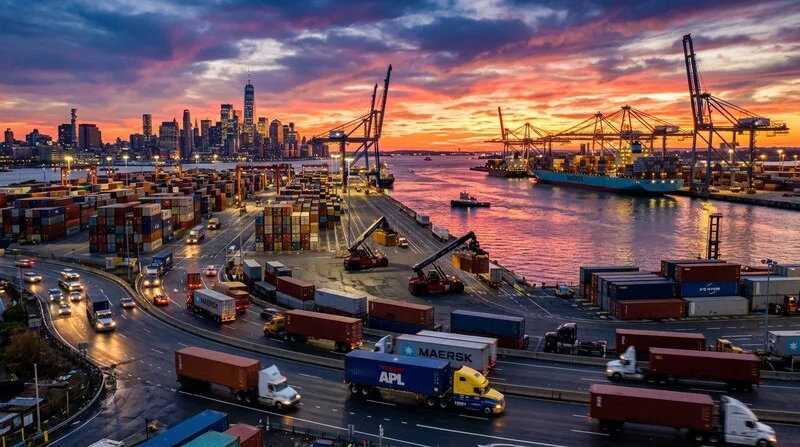
Pennsylvania Economic Snapshot 2026
| Indicator | Pennsylvania | National | Direction |
|---|---|---|---|
| Unemployment Rate | 4.4% | 4.2% | above avg |
| Median Household Income | $67,800 | $74,600 | below avg |
| Manufacturing Employment | ~580,000 | varies | declining |
| Natural Gas Jobs (direct) | ~30,000 | — | stable |
| Steel Sector Jobs | ~14,000 | — | pressured |
| Agricultural Export Value | $~2.8B | — | tariff risk |
| Soybean Export Exposure | high | — | China tariff |
| Philadelphia Suburb GDP Growth | ~2.1% | ~2.3% | near-avg |
| Rural County Unemployment (avg) | ~5.7% | 4.2% | well above |
Sources: BLS, PA Department of Labor, USDA, US Energy Information Administration. Data as of early 2026.
Three Economic Fault Lines
Pittsburgh Corridor: Winners and Losers
US Steel, Allegheny Technologies, and smaller mills in western Pennsylvania gained protection from the 25% steel tariff. For steelworkers — a historically Democratic union bloc that has shifted toward Republicans — this is a tangible benefit.
But the downstream story is more complicated. Auto parts manufacturers in the Pittsburgh metro, bridge construction firms, and equipment makers all pay more for steel inputs. The Economic Policy Institute estimates Pennsylvania manufacturing jobs in steel-consuming sectors face a net headwind of $350–$500 per worker annually in added costs.
In electoral terms: steelworker support is concentrated in already-Republican counties. The tariff may not move votes where Democrats need them most — the collar counties and competitive Luzerne/Northampton districts where manufacturing workers are split.
Marcellus Shale: The Fracking Economy
Northeastern Pennsylvania — Susquehanna, Bradford, Tioga, Wyoming counties — sits atop the Marcellus Shale formation, the most productive natural gas field in the United States. The region is overwhelmingly Trump country (60%–70%+ margins), and fracking is not a cultural issue here — it is the economy.
Pennsylvania's #2 ranking in US natural gas production (behind Texas) generates an estimated $4 billion annually in economic activity. Royalty payments to landowners provide middle-class income in counties with few other options. Any candidate who campaigns on fracking restrictions faces a structural disadvantage in these communities.
This is why Democratic candidates like Conor Lamb and John Fetterman explicitly supported fracking — and why any credible PA Democrat must thread this needle carefully to be competitive statewide.
Professional Class & Farm Export Risk
The Philadelphia collar counties — Montgomery, Bucks, Chester, Delaware — are home to pharmaceutical companies, financial services firms, law practices, and tech workers. This professional class is highly sensitive to trade policy disruption. Many work for multinational corporations whose supply chains span tariff-affected countries.
Pennsylvania's agricultural sector — particularly soybean farmers in the central and western counties — faces retaliatory tariffs from China, which is a major buyer of US soybeans. The Pennsylvania Farm Bureau has raised alarms over the $2.8 billion annual agricultural export market. Corn, mushrooms (PA is the #1 mushroom producer in the US), and dairy products face similar exposure.
The political calculus: suburban professionals and farmers are both groups with real economic grievances in a tariff environment — and both are potential swing constituencies in close Senate and governor races.