Vermont Economy 2026: Dairy, Tourism, Remote Work, and Bernie’s Influence
Ben & Jerry’s · Vermont cheese · Ski resorts & fall foliage · NYC remote worker migration · Progressive labor policy

Vermont Economy at a Glance
Vermont’s Key Economic Sectors
Economic Drivers & Political Stakes
Ben & Jerry’s and the Vermont Agricultural Brand
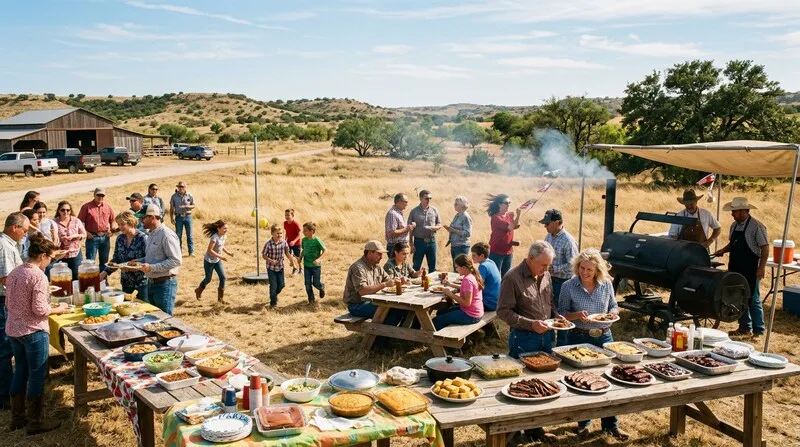
Vermont’s agricultural identity is globally recognized through its premium food brands. Ben & Jerry’s, founded in Burlington in 1978 and now owned by Unilever, is Vermont’s most famous export and a global consumer brand associated with the state’s progressive values — the company has maintained a policy of public statements on social justice issues that reflects its Vermont origins. Cabot Creamery, a dairy cooperative owned by Vermont and New York farm families, produces award-winning cheeses distributed nationally. Vermont Creamery makes artisan goat cheese and butter sold in fine dining establishments nationwide. These premium brands depend on Vermont dairy farms remaining viable — a challenge as national milk overproduction and input cost inflation squeeze small farm margins. Vermont dairy farmers average roughly 100-200 cows per farm, far smaller than Midwest mega-dairies, and cannot compete on volume, only on quality and premium positioning.
Skiing, Foliage, and the Climate Risk
Vermont’s tourism economy is built around two signature seasonal draws: ski season (December–March) and fall foliage (September–October). Killington is the largest ski resort in the eastern US. Stowe is the most upscale, drawing destination travelers from New York and Boston. The industry generates over $2 billion annually and supports thousands of hospitality jobs. Climate change poses a structural long-term risk: Vermont ski resorts have experienced shorter and less reliable natural snow seasons, requiring increasing investment in snowmaking that drives up operating costs. Warming falls are gradually shifting peak foliage timing, which affects the multi-billion dollar leaf peeping tourism season. Both trends will worsen over the coming decades.
NYC Refugees and the Sanders Economic Model
Vermont’s Remote Worker Grant Program — offering $10,000 to remote workers who relocate — attracted national attention and brought higher-income earners to rural communities. The pandemic supercharged this trend as New Yorkers and Bostonians sought Vermont’s combination of affordable (by their standards) housing, outdoor access, and broadband connectivity. The economic effects are genuinely mixed: remote workers boost local spending, tax revenues, and real estate values, but the housing price increases they drive can price out native Vermonters who work in local industries paying Vermont wages. Bernie Sanders’s influence on state economic policy is visible in Vermont’s indexed minimum wage, its robust workers’ compensation system, and the state’s 2011 attempt at a single-payer healthcare polling — which was ultimately abandoned as too expensive at the state scale but demonstrated the policy ambition of Vermont’s progressive political culture.