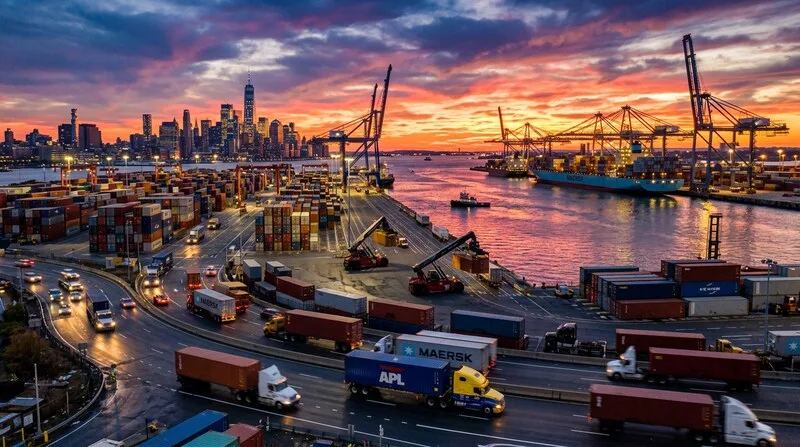
- Free trade support was 54% before the 2025 tariff escalation — it fell to 46% after, with opposition to the broad tariff strategy reaching 58% by April 2026
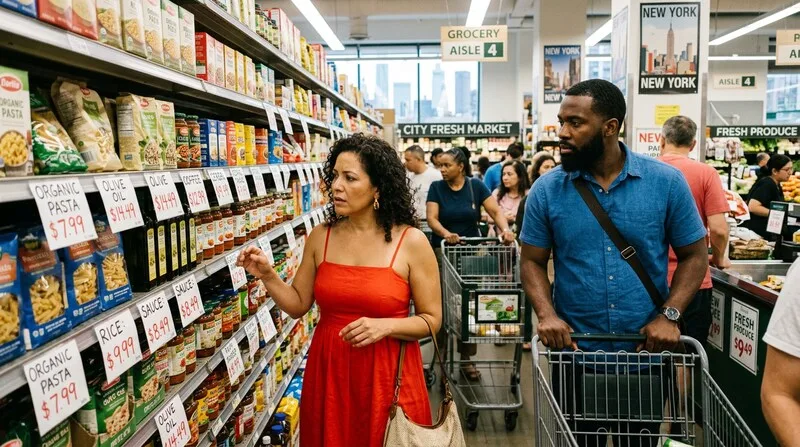
- Only 35% support the Trump tariff approach; 63% say tariffs will raise prices for their families
- Tariff support is highest among Republicans (52%), manufacturing workers in swing states (54%), and non-college voters (48%) — still a minority in each group
- Retaliatory tariffs specifically targeted US agricultural exports — soybeans, pork, corn, cotton — in Republican-leaning Midwest and Southern farm states
- The decisive political question: whether tariff-driven inflation becomes visible to suburban and rural voters before November 2026
Tariff Impact: Sector-by-Sector Polling

The Partisan Realignment on Trade
Trade policy has undergone a remarkable partisan realignment since 2016. Republicans, historically the free trade party (Reagan, Bush, and the establishment consensus), have become significantly more protectionist under Trump. Democrats, who once opposed free trade from the labor-union left, have partially shifted toward supporting trade agreements that include labor and environmental standards.
In 2026 polling, 52% of Republicans support the tariff approach (down from 64% in early 2025 as costs become visible), while only 19% of Democrats do. This represents an almost complete flip from 2008, when Democrats were more skeptical of free trade than Republicans. The realignment reflects the shifting coalition bases: Republicans now represent more working-class manufacturing voters; Democrats represent more college-educated urban and suburban voters who are international trade consumers rather than producers.
The Farm Belt Risk: Where Tariffs Could Hurt Republicans
Agricultural retaliatory tariffs from China, Canada, Mexico, and the EU represent the most acute political risk for Republicans from the trade war. In 2018-2019, China’s retaliatory tariff impactU.S. soybeans, pork, and corn cost American farmers an estimated $27 billion in lost export revenue. The Trump administration offset some losses with direct payments to farmers through the Market Facilitation Program.
In 2026, similar retaliation is occurring. Iowa, Indiana, Missouri, and Nebraska — safe red states in presidential elections — have large agricultural communities whose economic welfare is directly tied to export markets. Farm income declines from retaliation could suppress Republican turnout in these states in ways that affect competitive House seats even if the states themselves remain red at the top of the ticket. Farm Bureau polling shows only 31% of farmers support the current tariff approach.