- Trump has filed 18 active lawsuits against major media organizations — including a $10 billion suit against CBS/60 Minutes — creating chilling effects even where cases may ultimately fail
- The US press freedom ranking has fallen to 57th globally (Reporters Without Borders 2025), down from 45th in 2024 and 20th in 2016 — below all major Western European democracies
- FCC Chairman Brendan Carr launched investigations into ABC and CBS broadcast licenses over news content decisions — the most direct government interference in broadcast journalism since the Nixon administration
- The litigation strategy's primary effect is financial and editorial deterrence: even meritless cases impose legal costs and create incentives for self-censorship before publication
- Media law experts describe the combination of lawsuits, FCC investigations, and press pool restrictions as a "chilling environment" — each tool individually defensible, collectively unprecedented in scope
From "Enemy of the People" to Legal Warfare
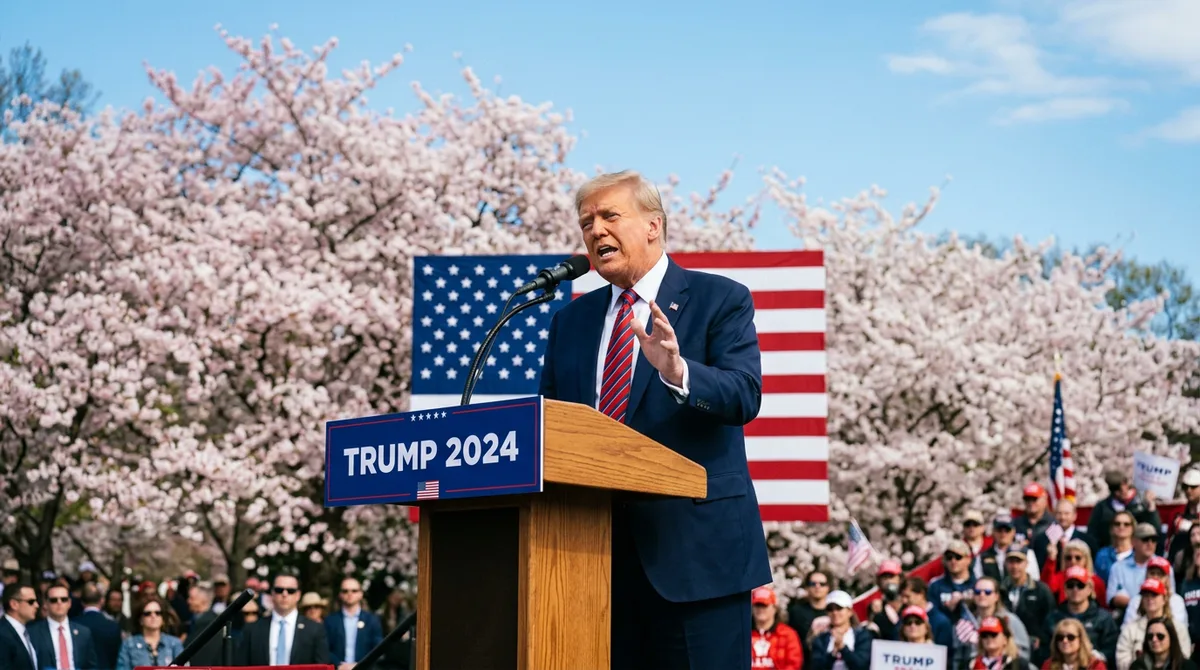
Trump's hostility toward the press predates his first presidency. But in his second term, rhetoric has been supplemented by systematic legal and regulatory action. The scale is unprecedented: no previous American president has simultaneously pursued litigation against as many media organizations, directed regulatory agencies to investigate broadcast licenses over news content, and overseen an administration that has at times restricted press pool access to major events. Media law experts describe the aggregate effect as a "chilling environment" for press freedom even where individual legal actions may ultimately fail.
Key Trump Media Lawsuits — Summary
FCC License Investigations: An Unprecedented Threat
FCC Chairman Brendan Carr's investigations into ABC and CBS broadcast licenses represent a qualitative escalation beyond previous administration rhetoric. Broadcast stations require FCC license renewals every eight years. The FCC's claimed authority to review news content decisions — traditionally protected from regulatory interference under the First Amendment — has been challenged by media law scholars as constitutionally untenable. But the threat of license challenges creates direct financial and legal pressure on networks whose parent companies have market capitalization running into tens of billions of dollars. The settlement of the ABC/Stephanopoulos case for $15 million — despite ABC's public insistence it had done nothing wrong — illustrates the leverage the legal threat provides even without a merits victory.
Public Opinion: Do Americans Support Press Freedom?
Polling on press freedom shows a sharp partisan divide. Among Democrats, 87% say a free press is "essential to democracy." Among Republicans, 54% agree — but 38% of Republicans say the media is "the enemy of the American people," a view that tracks closely with Trump's rhetoric. Independents lean toward press freedom protections: 71% say the government should not regulate news content. However, 61% of all Americans say they have "not much" or "no" confidence in news media, suggesting the media's credibility problems have made it politically easier for the administration to pursue its legal strategy without broad public backlash.
The Press Freedom Index: What Does 57th Mean?
The Reporters Without Borders World Press Freedom Index ranks 180 countries. The U.S. at 57th in 2025 falls below Estonia (6th), Portugal (9th), Germany (10th), France (21st), and even post-Brexit United Kingdom (23rd). The U.S. scored poorly on the "political context" and "economic context" indicators, with legal pressure on news organizations cited specifically. Countries ranked above the U.S. include all Nordic nations, most of Western Europe, Canada, Australia, New Zealand, and Jamaica. The U.S. ranked 20th as recently as 2016. The 37-place drop over nine years is among the steepest declines of any established democracy in the index's history.

Frequently Asked Questions
Are Trump's media lawsuits likely to succeed?
Public figures face the highest legal bar for defamation claims under the New York Times v. Sullivan standard — they must prove "actual malice" (knowing falsity or reckless disregard for truth). Most legal analysts rate Trump's major cases, including the CBS lawsuit, as having low probability of success on the merits. However, the litigation serves strategic purposes beyond winning: it imposes significant legal costs on defendants, deters future coverage, creates negotiating leverage for settlements, and generates political messaging for Trump's base about a hostile media establishment.
How does Trump's media pressure compare to historical presidents?
Nixon's administration is the closest historical parallel — his team pressured networks through FCC threats and Justice Department antitrust actions against broadcast conglomerates, and the "enemies list" included journalists. But even Nixon did not file direct personal lawsuits against news organizations. The LBJ and JFK administrations used informal pressure through White House relationships with publishers. What distinguishes Trump's approach is the combination of personal litigation, regulatory agency deployment, and sustained public rhetoric that has normalized the "enemy of the people" framing in ways previous presidents did not attempt.
What role does the 2026 election play in the media wars?
The media conflict is both a policy issue and an electoral strategy. Trump's base views mainstream media as a political opponent, making every legal victory or confrontation a mobilizing tool. In the 2026 midterm environment, the framing of "Trump vs. fake news media" is expected to feature heavily in Republican campaign messaging. For Democrats, press freedom is a fundraising and turnout issue, particularly among college-educated suburban voters who cite media independence as a democracy concern. Polls show 64% of voters who cite "threats to democracy" as a top issue vote Democratic — making the press freedom narrative a potential advantage in competitive Senate races.