Biography
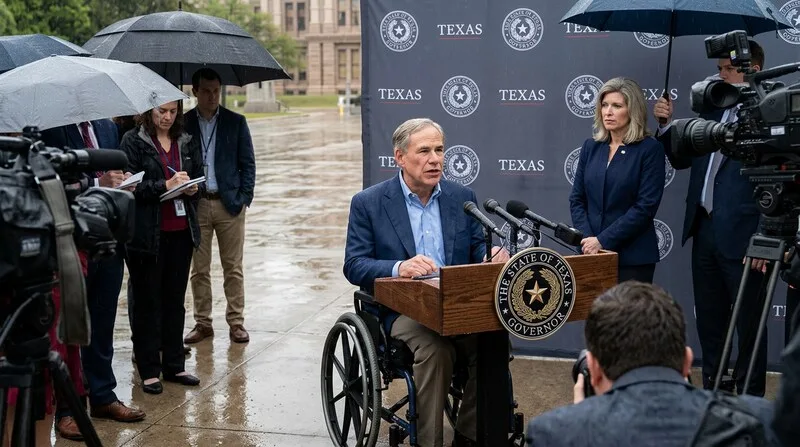
Brian Porter Kemp was born on November 2, 1963, in Athens, Georgia, and grew up in the state he would go on to govern. He earned his undergraduate degree from the University of Georgia and built a career as an entrepreneur in commercial agriculture and construction. He entered Georgia politics in 2003, serving in the Georgia State Senate before winning election as Georgia Secretary of State in 2010, a position he held for eight years. His tenure as Secretary of State was marked by significant voter roll purges that critics argued disenfranchised minority voters and that became a major issue in the 2018 governor's race, when he ran while still serving as the state's chief elections officer.
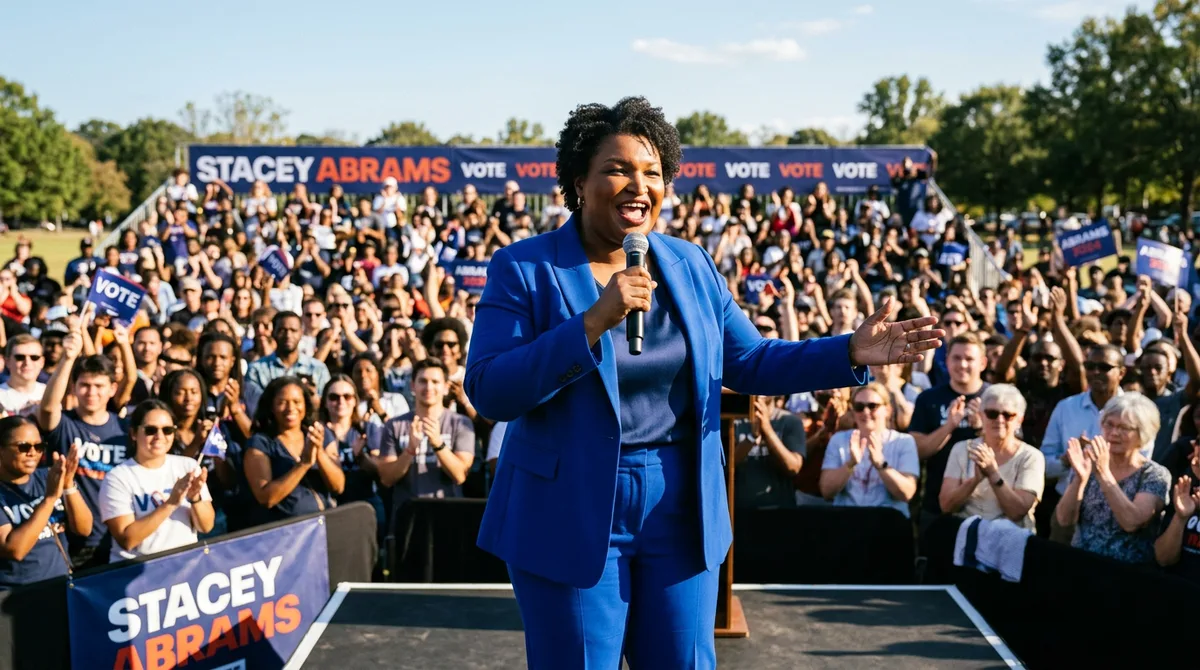
Kemp won the 2018 governor's race against Democrat Stacey Abrams by approximately 1.4 percentage points in a race defined by Abrams' charge that Kemp's administration had suppressed minority votes through voter roll management and polling place closures. Abrams did not initially concede and launched a national profile as an election rights activist. Trump\'s approval Kemp in the 2018 primary (over Lt. Governor Casey Cagle), a crucial assist. Their relationship soured dramatically over the 2020 election, when Kemp refused Trump's demands to overturn Biden's narrow Georgia victory and Trump subsequently endorsed former Senator David Perdue to challenge Kemp in the 2022 Republican base. Kemp won that primary by 52 points, humiliating Trump's attempt to extract revenge, and then won the general election against Stacey Abrams by 7.5 points — a substantially improved margin over 2018.
His governorship has navigated the tension between governing as a conservative Republican (signing the heartbeat abortion bill, election security legislation) and maintaining independence from the MAGA movement's most extreme demands. He is term-limited and his governorship ends in January 2027, leaving Georgia's next Republican governor to be determined in the 2026 elections.
- Brian Kemp (R-GA) won re-election as Georgia governor in 2022 by 7.5 points over Stacey Abrams — a dominant margin in a genuine battleground state that underscored his personal popularity despite Trump's efforts to recruit a primary challenger against him.
- Georgia is a genuine toss-up — Trump won it by 2 points in 2024, and Kemp's 7.5-point win was the second consecutive time he beat Abrams, showing Georgia voters' willingness to split tickets for a popular incumbent governor.
- Kemp refused Trump's demands to overturn the 2020 Georgia election results — a decision that led to a fierce primary challenge in 2022 which Kemp won easily, demonstrating that Georgia Republican voters prioritized winning over fealty to Trump.
- He served as Georgia Secretary of State (2010-2019) before becoming governor — his background in election administration became a flashpoint during the 2018 race when critics accused him of voter suppression while he oversaw his own election against Stacey Abrams.

Key Policy Positions
Election Law & Voting
Kemp signed SB 202 in 2021, one of the most significant election law overhauls in Georgia history, enacted in the immediate aftermath of the 2020 election controversies. The law added ID requirements for absentee voting, limited drop boxes, restricted the distribution of food and water near polling places, expanded early voting days (a point Republicans emphasized), and gave the legislature more authority over election administration. Opponents called it the most significant voter suppression measure since the Jim Crow era; supporters called it reasonable security measures. The law triggered a national boycott, including the MLB All-Star Game moving from Atlanta to Denver. Kemp defended it as necessary for election integrity while distancing himself from the election denial rhetoric that often accompanied such measures.
Economic Development
Kemp has prioritized economic development as a signature success of his governorship. Georgia under Kemp attracted Rivian's $5 billion electric vehicle assembly plant in 2021, as well as significant investments in electric vehicle supply chain manufacturing from Korean companies including SK Innovation, Hyundai, and others. The state has become a major EV manufacturing hub. Georgia also continued its significant film and television production industry (Atlanta has become a major production center). Kemp has consistently emphasized economic job creation results as his administration's most tangible legacy, framing it as proof that conservative governance produces real economic benefits.
Pragmatic Conservative Governance
Kemp represents a strand of Republican governance that is ideologically conservative but operationally pragmatic. He signed a limited Medicaid in 2023 through a work-requirement waiver — an approach that drew criticism from both left (for the work requirement) and right (for expanding Medicaid at all). He has maintained professional relationships across partisan lines on economic development while signing aggressive conservative social legislation. His ability to survive a Trump-backed primary challenge by 52 points and then win the general by 7.5 points suggests he has built significant personal credibility with Georgia Republicans independent of Trump's endorsement, a rare achievement in the current party environment.
Electoral History
| Year | Race | Opponent | Kemp % | Margin | Result |
|---|---|---|---|---|---|
| 2018 | Governor (1st) | Stacey Abrams (D) | 50.2% | +1.4 | Won |
| 2022 | Primary vs. Trump-backed challenger | David Perdue (R) | 74.0% | +52 | Won (Primary) |
| 2022 | Governor (2nd) | Stacey Abrams (D, rematch) | 53.4% | +7.5 | Won |
Kemp's 2022 performance — routing a Trump-backed primary challenger by 52 points and then winning the general by 7.5 points (compared to 1.4 points in 2018) — was one of the most striking demonstrations of Republican incumbent strength in the 2022 cycle, and a notable rebuke of Trump's post-2020 grudge politics.
Post-Governorship & Political Future
Brian Kemp is term-limited from seeking re-election in 2026, leaving the Georgia governorship open. National Republicans, including Senate leadership, repeatedly urged him to run for the Georgia Senate majority in 2026 against incumbent Democrat Jon Ossoff, viewing him as the strongest possible Republican candidate in a state that has become genuinely competitive. Kemp repeatedly declined, a decision attributed by political analysts to his complicated relationship with Trump and the MAGA base that still views him as a traitor for the 2020 election stance.
His post-governorship options include a potential Senate run in a future cycle, a future presidential campaign, or a return to private business. His demonstrated ability to win in a competitive state while maintaining independence from Trump's most extreme demands makes him a significant potential figure in a post-Trump Republican Party. However, his Senate non-candidacy in 2026 has frustrated party strategists who believe he left the party's best chance at the Ossoff seat on the table.