- 38 million Americans with disabilities are eligible voters — larger than Black voters (30M) or Hispanic voters (36M), yet routinely overlooked in electoral analysis
- Disability voters lean D+12 to D+15, driven by Medicaid (11M disabled beneficiaries), SSDI, ADA enforcement, and healthcare access as the dominant issues
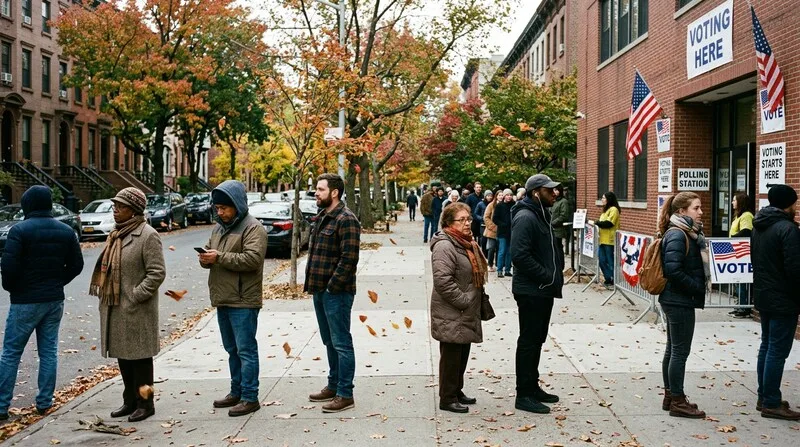
- Disability turnout is 6–7 pts lower than non-disabled voters due to physical accessibility barriers; universal vote-by-mail states show significantly smaller gaps
- Proposed Medicaid cuts are the single biggest mobilizing issue — cuts threaten the services that enable independent living for millions of disabled Americans
Disability Voters: Key Statistics

Medicaid Cuts: The Single Biggest Mobilizing Issue
The Republican reconciliation package under consideration in 2025-2026 includes proposals to convert Medicaid to a Medicaid reconciliation or impose per-capita caps — changes that the Congressional Budget Office projects would remove coverage from 10-17 million Americans over a decade. For the disability community, Medicaid is not primarily a poverty program but a disability program: it funds home and community-based care that allows millions of people with disabilities to live independently rather than in institutions.
Polling shows 74% of Americans oppose Medicaid cuts, but the number rises to 89% among Americans with disabilities or those who have a family member with a disability. The disability community has engaged in some of the most visible direct-action lobbying of the 2025-2026 legislative period, including wheelchair user protests in Senate office buildings that received national media coverage.
ADA Enforcement and Accessibility Rollbacks
The Americans with Disabilities Act turned 35 in July 2025. While the core protections of the law remain intact, disability advocates have documented reductions in ADA enforcement activity by the Department of Justice in the current administration. Federal accessibility rules for transportation and buildings have seen regulatory rollbacks. The Equal Employment Opportunity Commission’s disability unit has seen staffing reductions.
These changes have energized disability rights organizations, which are running voter registration and turnout programs targeting the 38 million eligible voters with disabilities. If disability voter turnout reaches parity with non-disabled voter turnout — currently a 6-7 point gap — it would represent an additional 2-3 million votes, with a strong Democratic lean. Several competitive Senate races (Arizona, Wisconsin, Michigan) are within margins where this mobilization could be decisive.