
- Recession expectations reached a 4-year high in spring 2026, driven by convergence of an 18.5% average effective tariff on imports, 220,000 federal workforce reductions (DOGE), and Federal Reserve rate constraints that limit the ability to counter a supply-side cost shock.
- The tariff regime represents a supply-side cost shock not seen since the 1970s oil crises — raising input costs that pass through to consumer prices over 6-12 months, creating an inflationary recession risk that the Fed cannot resolve by cutting rates without worsening inflation.
- Wall Street institutional forecasters have shifted recession probability estimates from 15-20% (pre-2026) to 35-45% — not yet a majority probability, but a level at which markets are pricing increased volatility and businesses are delaying investment decisions.
- The stagflation scenario — simultaneous rising prices (tariff-driven) and slowing growth (DOGE federal spending cuts, global retaliation) — is historically the worst political environment for an incumbent party because there is no good monetary or fiscal policy response.
- For 2026 electoral purposes, recession that becomes unmistakable before October would be the single most damaging possible environment for Republicans, shifting voter focus from cultural and immigration issues to direct personal economic harm.
How Recession Expectations Reached a 4-Year High
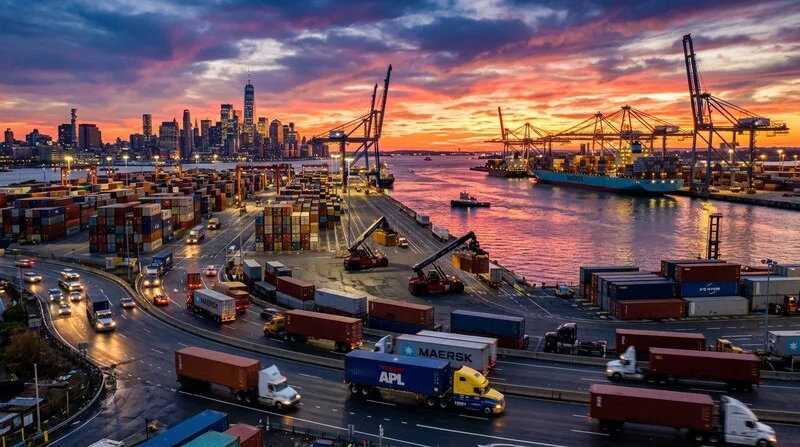
The convergence of factors driving recession concern in April 2026 is not a single shock but the accumulation of several simultaneous pressures. The tariff regime announced in February and expanded in March 2026 added an average effective tariff rate of 18.5% on imported goods — a supply-side cost shock not seen since the oil crises of the 1970s. Federal workforce reductions of approximately 220,000 positions through the DOGE-driven agency restructuring removed high-income, geographically concentrated spending from local economies in metropolitan Washington, parts of Colorado, and federal installation communities across the country.
Consumer credit conditions tightened significantly in Q1 2026. The Federal Reserve held rates steady despite the tariff-driven inflation, creating a potential stagflation scenario — the combination of rising prices and slowing growth that monetary policy handles poorly because rate cuts to stimulate growth conflict with rate hikes to control inflation. The last stagflation period in 1973–1975 produced the most prolonged economic distress since the Depression.
The polling response to these conditions is historically predictable but notably sharp. Consumer confidence surveys — which measure both current conditions and forward expectations — showed the steepest quarterly decline since Q1 2020. The 14-point drop in the Conference Board index from November 2024 to March 2026 reflects not just immediate financial stress but a shift in future expectations: Americans are not only feeling poorer now, they expect to feel poorer for the foreseeable future.
The Wall Street Forecast Shift
The move by major financial institutions to raise recession probability estimates is itself politically significant. In January 2026, Goldman Sachs held recession probability at 20% and described tariff risks as "manageable." By March, it was at 45%. JP Morgan's 60% estimate represents the bank's highest recession probability call since the 2020 pandemic and the 2008 financial crisis. These institutions do not raise recession estimates to make political points — they do so because client risk management requires accurate probability assessments.
The specific mechanisms driving forecast revisions center on the tariff shock's supply chain effects, consumer spending slowdown, and the collapse of business investment intentions. Capital expenditure surveys show the sharpest planned investment cuts since early 2020. Businesses facing tariff uncertainty on imported components are delaying equipment purchases, construction projects, and hiring. That investment collapse, if sustained through Q2 and Q3 2026, is the proximate cause of potential technical recession — two consecutive quarters of GDP contraction.
"62% of Americans expect recession within 12 months. Goldman at 45%, JP Morgan at 60%. The gap between political messaging — 'the economy is strong' — and lived consumer reality is producing the largest confidence-reality divergence since mid-2022."
Reuters/Ipsos | Goldman Sachs US Economics Research — March-April 2026
Conference Board index fell to 92.4 in March 2026, a 14-point decline from November 2024. UMich sentiment at 57.0 approaches the lows of the 2022 inflation peak. Retail sales data shows the weakest Q1 since 2020. Consumer spending is 70% of US GDP — sustained confidence decline is not an abstract risk.
The Fed faces the classic stagflation bind: tariff-driven inflation argues for rate hikes or holds, but slowing growth argues for cuts. The last stagflation period in 1973–1975 produced prolonged economic distress precisely because monetary policy cannot address supply-side cost shocks with demand-side tools. The Fed has held rates while acknowledging the dilemma.
Midterm elections in recession years historically punish the president's party. Since 1946, every midterm during or immediately following a recession has produced significant House seat losses for the president's party. If the US enters recession by Q3 2026, the political arithmetic for Republicans in competitive House districts becomes severely unfavorable regardless of other issues.
The 2026 Electoral Economics
Economic conditions are the most reliable predictor of midterm outcomes, and the 2026 economic environment is the most adverse Republicans have faced since 2010. The tariff-driven price increases are particularly politically damaging because they are visible and attributable — grocery prices, appliance prices, and car prices all carry direct tariff impacts that consumers notice and can trace. Unlike the inflation of 2021–2022, which Democrats struggled to explain as complex supply chain dynamics, the current price increases have a simple and well-publicized cause that opponents can point to.
The disconnect between Republican economic messaging — which emphasizes energy production gains, stock market performance in certain sectors, and nominal GDP figures — and the consumer experience of price increases and job insecurity is the central economic communication problem for the party heading into November 2026. Presidential approval on economic management has fallen to 38% in April 2026, with independents disapproving by 61–35%.
Frequently Asked Questions
What percentage of Americans expect a recession in 2026?
62% expect a recession within 12 months as of April 2026 — the highest reading since October 2022. The figure reflects anxiety from tariff-driven price increases, federal layoffs, and negative economic data including significant GDP forecast revisions from major financial institutions.
What are Wall Street banks forecasting for recession probability?
Goldman Sachs raised its 12-month US recession probability to 45% in March 2026 (from 20% in January). JP Morgan moved to 60%. Both cite the cumulative effect of tariff shocks on supply chains and consumer spending, tightening credit conditions, and uncertainty from federal workforce reductions as primary drivers.
How does consumer confidence relate to recession risk?
The Conference Board Consumer Confidence Index fell to 92.4 in March 2026 — a four-year low and 14-point decline from November 2024. University of Michigan sentiment dropped to 57.0. Consumer spending is 70% of US GDP, making sustained confidence decline a direct recession trigger. Q1 2026 retail sales were the weakest since Q1 2020.