- Indivisible has grown to 6,000+ chapters across all 50 states — evolved from a 2016-era resistance network into a full electoral mobilization operation targeting competitive suburban districts.
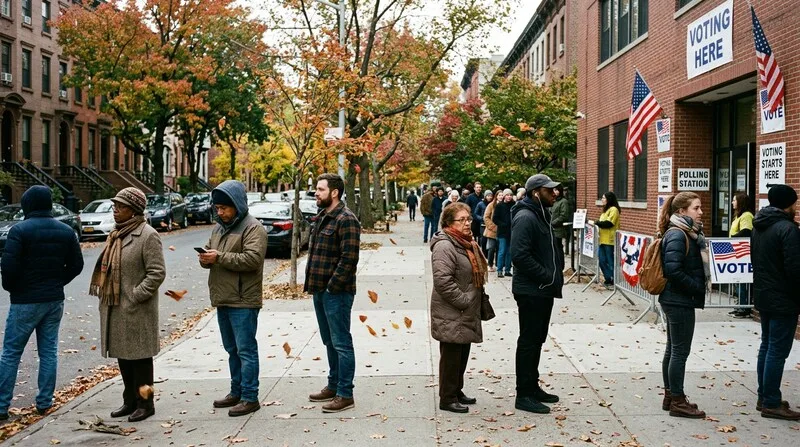
- Door-to-door canvassing adds 2.5-3.5 turnout percentage points per low-propensity voter contact — the gold standard of GOTV, with phone banking and texts producing significantly smaller effects.
- Union households represent 15% of the electorate but deliver disproportionate impact in Michigan, Pennsylvania, and Wisconsin — key Senate and House battlegrounds in 2026.
- 2018 is the benchmark model year: Democratic ground game combined with Dobbs-level motivation (abortion, rule of law) drove the +41 seat wave — that combination of infrastructure and high-salience issues is what organizers are trying to replicate.
The Indivisible Network: Post-2016 Grassroots Infrastructure
Indivisible was founded in late 2016 by former Congressional staffers who wrote a guide explaining how to use Tea Party-era tactics to resist Trump’s legislative agenda. The guide went viral; chapters formed organically in every congressional district in the country. By 2026, the network has evolved from a resistance organization into a sophisticated electoral operation. Many chapters have become de facto local Democratic Party operations in areas where the official party structure is weak or inactive.
Indivisible’s value in 2026 is not just volunteer numbers but geographic coverage. It has active chapters in competitive suburban voters that are pivotal for House control. These are often college-educated, older suburban voters who are mobilized by democratic norm concerns and economy as an issue — precisely the demographics that have driven Democratic gains in suburban districts since 2018.
| GOTV Method | Estimated Turnout Effect | Notes |
|---|---|---|
| Door-to-door canvassing | +2.5 to 3.5 pts | Most effective; requires high volunteer density |
| Union member-to-member contact | +2 to 3 pts | Particularly effective with persuadable working class |
| Phone banking (live calls) | +0.75 to 1.5 pts | Effectiveness declining with caller ID screening |
| Text banking | +0.5 to 1.5 pts | Growing method; highly scalable but lower effect |
| Direct mail | +0.2 to 0.5 pts | Low effect; primarily used for name ID and contrast |
| Digital advertising | +0.1 to 0.3 pts | Difficult to measure; brand and enthusiasm effects |
| Neighbor-to-neighbor outreach | +1.5 to 2 pts | Trusted messenger effect amplifies personal contact |
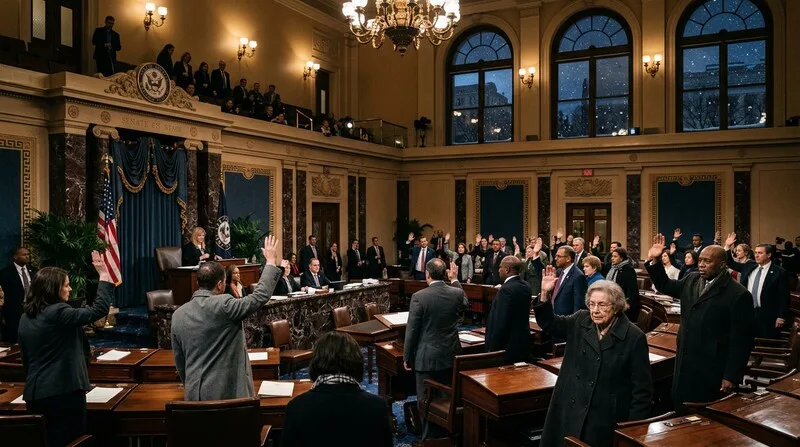
Labor Union Canvassing: The Working-Class Persuasion Tool
AFL-CIO Program
AFL-CIO is deploying member volunteers in 30+ competitive House and Senate districts. Focus: non-college workers who have drifted Republican but whose economic interests align with Democratic policy on tariff cost-of-living impacts and Medicare.
SEIU Healthcare Workers
SEIU is running a healthcare-focused canvassing program targeting members and their communities in competitive suburban districts. Medicaid cuts proposed in federal budget negotiations are the primary mobilizing issue, with personal testimonials from healthcare workers.
UAW Automotive Workers
UAW is deploying in Michigan, Ohio, and Pennsylvania with a tariff-and-trade message aimed at auto workers. The union endorsed Biden in 2020 but saw significant member defection to Trump. GOTV 2026 is explicitly a persuasion and re-engagement program, not just base turnout.